Crime Solvers Central
302 Cases Solved. Advancing justice for missing persons, unsolved homicides, unidentified and unclaimed remains.

Case Description

Any updates on this case? Let us know!
Summary based on 3 sources
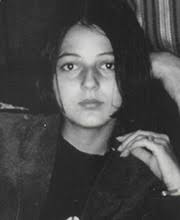
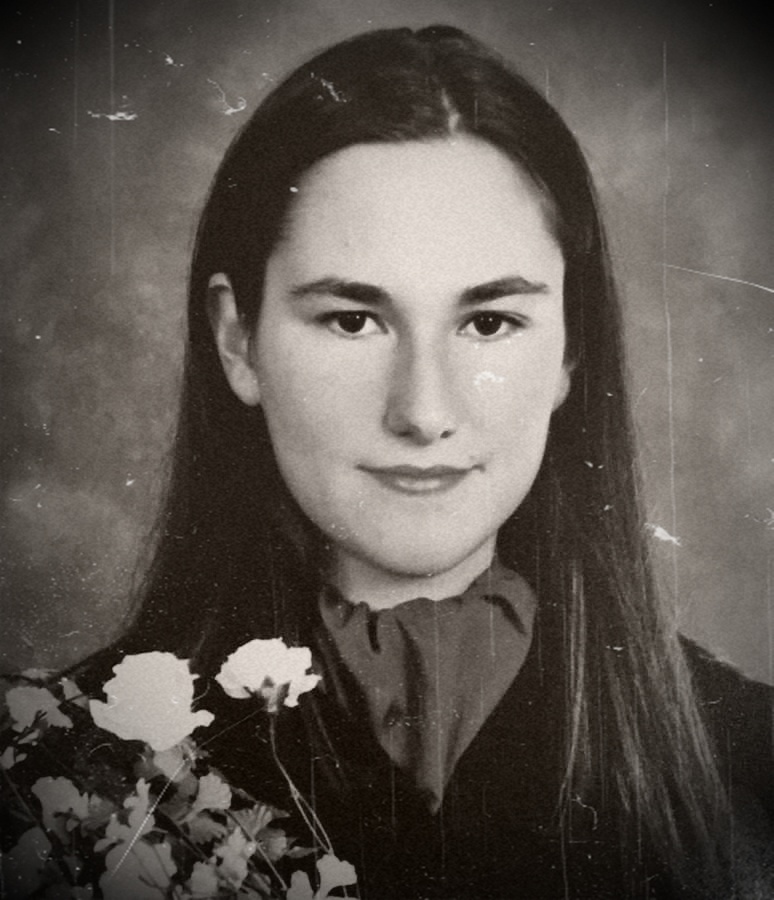
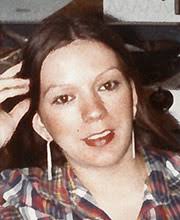
In the summer of 1976, Jocelyne Beaudoin, a 20-year-old woman from Montreal, Quebec, was planning for her future. She had recently completed her studies at a CEGEP in Old Montreal and was saving money from her weekend job at the Simpsons department store to pursue a degree in education that fall. Described as inseparable from her friend Renée Lessard, who was 23 and had already earned an education degree, Jocelyne was looking forward to one last adventure before starting university. The two friends, who had known each other for a couple of years, meticulously planned a hitchhiking and camping trip to explore the scenic north shore region of the Saguenay.

On July 4, 1976, with backpacks, sleeping rolls, and traveler's cheques, the two women set out from Montreal. Their intended route would take them along the St. Lawrence River to Quebec City, through Tadoussac, and then inland along the Saguenay River toward Lac-Saint-Jean. They sent postcards to family along the way, with Renée writing on July 7th that the weather was excellent. A photograph taken by tourists on the ferry to Tadoussac between July 7th and 10th captured one of the last known images of the friends. They were seen at a campground in Saint-Félicien on July 10, and a credible sighting placed them in a restaurant in Hébertville-Station around July 17. They had planned to return to Montreal around July 20, in time for Jocelyne to attend the Junior Olympics.

When the young women failed to return, their families grew worried. They were officially reported missing on August 2, 1976. Renée’s boyfriend, Yvon Charest, unconvinced by suggestions they might be runaways, rented a small plane on two separate occasions to scour the rugged Saguenay region from the air, but found no trace of them. The search took a grim turn on the afternoon of October 3, 1976, when a body was found in a wooded area along rang du Coteau in Saint-Jacques-le-Mineur, south of Montreal. It was Jocelyne Beaudoin. An investigation determined she had been shot to death.

The discovery of Jocelyne’s body confirmed her family’s worst fears and turned a missing persons case into a homicide investigation led by the Sûreté du Québec, the provincial police force. The mystery deepened the following spring. On April 29, 1977, skeletal remains were discovered by picnickers hundreds of kilometers away in Parc de La Vérendrye. Though suspected to be Renée Lessard, her remains were not formally identified until more than four decades later, in June 2018. The cause of her death could not be determined. The vast distance between where the two friends' bodies were found—approximately 350 kilometers apart—has remained a baffling element for investigators.

The double homicide of Jocelyne Beaudoin and Renée Lessard has haunted their families and investigators for decades. Despite the passage of time, police have never publicly identified any suspects or persons of interest in the case. The initial investigation and subsequent reviews have not yielded the evidence needed to make an arrest, leaving the question of who killed the two friends, and why, unanswered. Their meticulously planned trip ended in a tragedy that scattered their remains across the province of Quebec.

As of May 2026, the case remains an active unsolved cold case with the Sûreté du Québec. Investigators believe that someone, somewhere, holds the information necessary to bring a resolution to the murders. The case was featured by news outlets as one of Montreal's lingering cold cases, a reminder that the passage of time has not diminished the need for justice. The families of Jocelyne Beaudoin and Renée Lessard have waited half a century for answers.

The Sûreté du Québec continues to ask for the public's help in solving this crime. Anyone with information, no matter how insignificant it may seem, is urged to contact the Centrale de l’information criminelle at 1-800-659-4264.