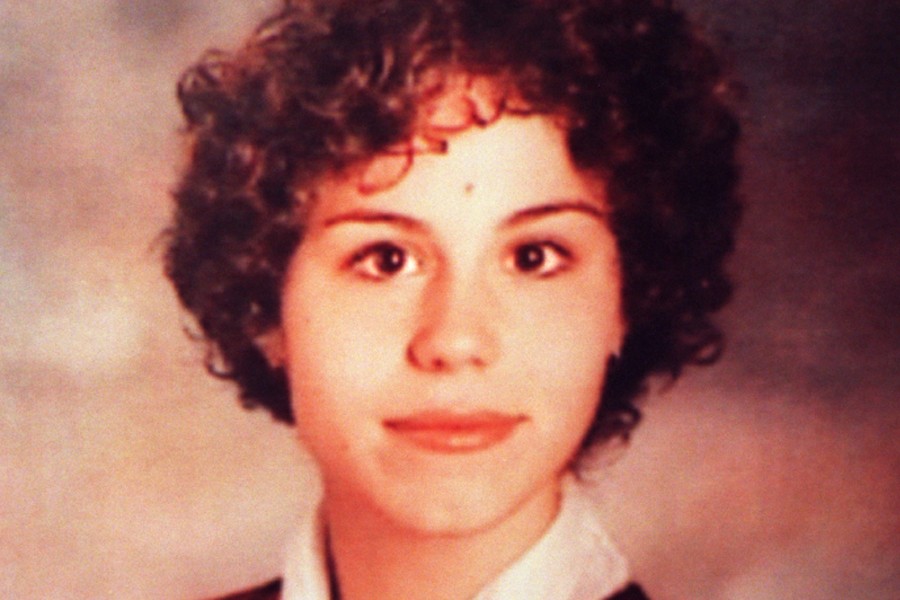
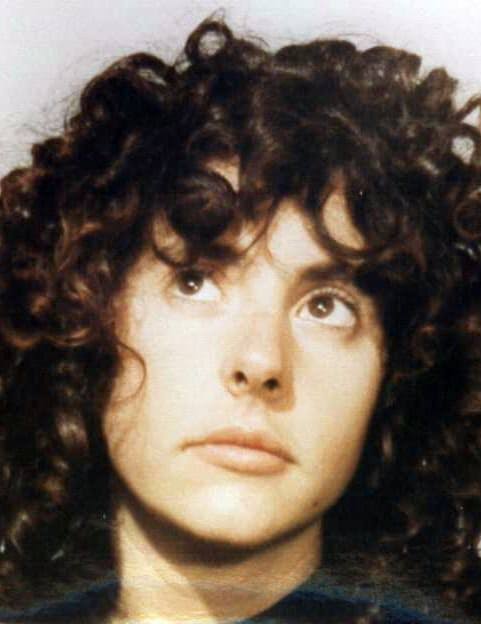
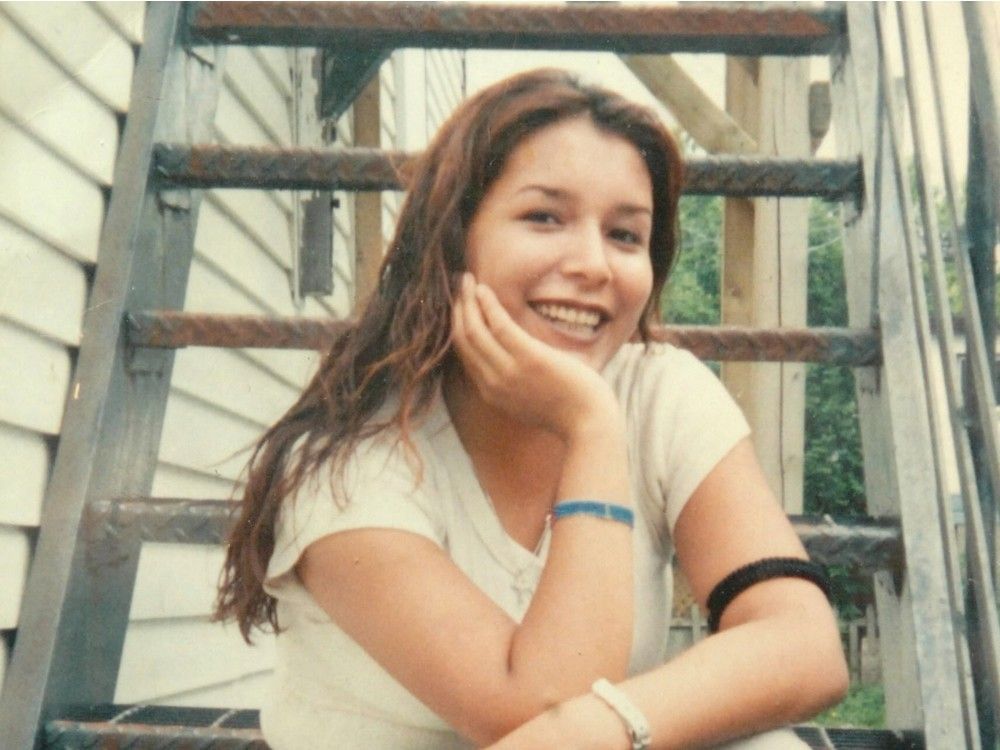
In the summer of 1986, Annette Labelle was a 30-year-old woman navigating a transient life in Montreal, Quebec. Without a permanent home, she often stayed with various acquaintances and was a familiar face in the city's central-east neighborhoods. Annette was petite, standing five feet three inches tall, with long, dark brown hair. Her appearance was distinguished by three tattoos: one on her left shoulder and two on her chest, one of which bore the name "André." On the evening of Thursday, June 19, 1986, she was at the Café Rialto in Montreal. At around 11:00 p.m., she was seen for what would be the last time.
Six days later, on the morning of Wednesday, June 25, a highway maintenance employee for the Transport Ministry was working along Autoroute 30 west in Saint-Hubert, on Montreal's South Shore. The worker made a grim discovery by the side of the heavily traveled road: a mattress, oddly out of place. It was bound tightly with an assortment of cords and electrical wires. Inside, authorities found the body of Annette Labelle. Her remains were already in an advanced state of decomposition, suggesting she had been killed several days prior.
The investigation, handled by the Sûreté du Québec (SQ), soon revealed a chilling detail. A motorist had seen the mattress lying just five feet from the highway as early as June 21, a full four days before it was officially discovered and reported. In a separate discovery, passers-by found some of Annette’s personal effects near the busy intersection of Highways 10 and 30, not far from where her body was located. The specific nature of these items has never been disclosed to the public.
In the initial stages of the investigation, SQ Sergeant Jacques Marceau expressed his bewilderment to the media. He could not understand how countless drivers could have passed the conspicuous and strangely secured mattress day after day without alerting the police. "I don't understand why so many people saw the mattress without ever reporting it," Marceau stated publicly in 1986. The brazenness of the crime scene left investigators with troubling questions: Was the killer reckless, or did they want Annette to be found?
For nearly four decades, the precise cause of Annette Labelle's death has remained a closely guarded secret. Police have never released the autopsy findings, a common strategy in cold cases to withhold key details that only the perpetrator would know. This silence has left many questions unanswered about what happened to Annette after she left the Café Rialto. No suspects have ever been publicly identified or charged in connection with her homicide.
The murder of Annette Labelle is one of many unsolved cases from that era in Quebec, leaving a long trail of uncertainty and a family without answers. As of May 2026, her case remains an active file for the Sûreté du Québec's cold case unit. Investigators continue to hope that someone who saw something, either at the Café Rialto on June 19, 1986, or along the highway in the days that followed, will finally come forward. Any information, no matter how insignificant it may seem, could be the key to solving this decades-old mystery. Anyone with information is urged to contact the Sûreté du Québec's info-crime line at 1-800-659-4264.