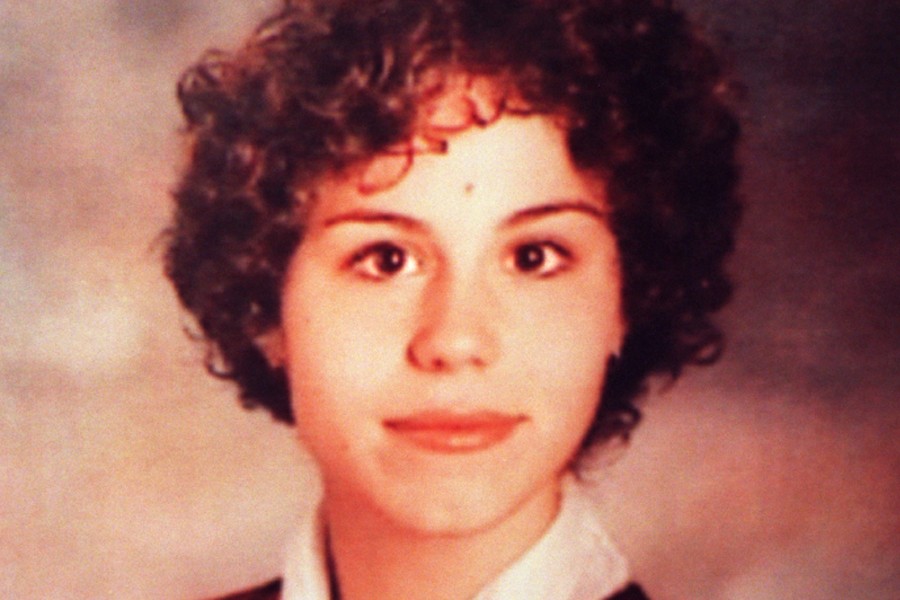
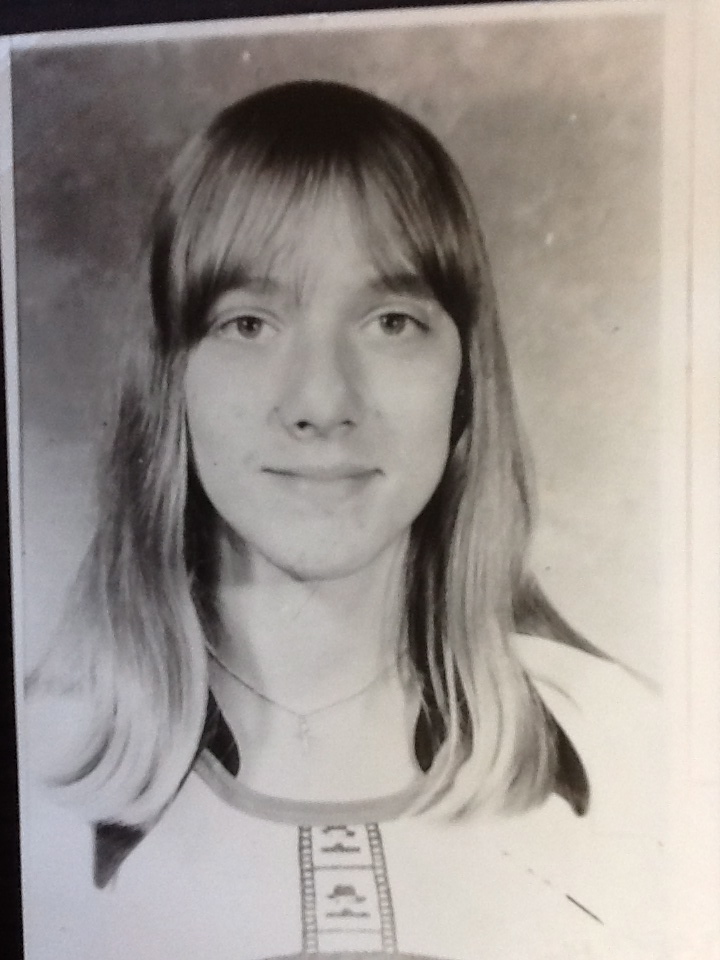
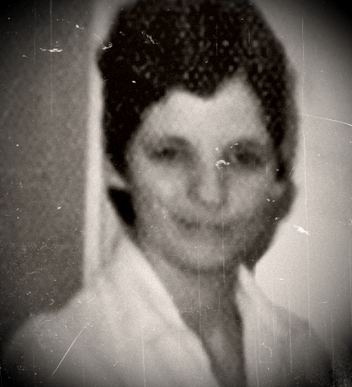
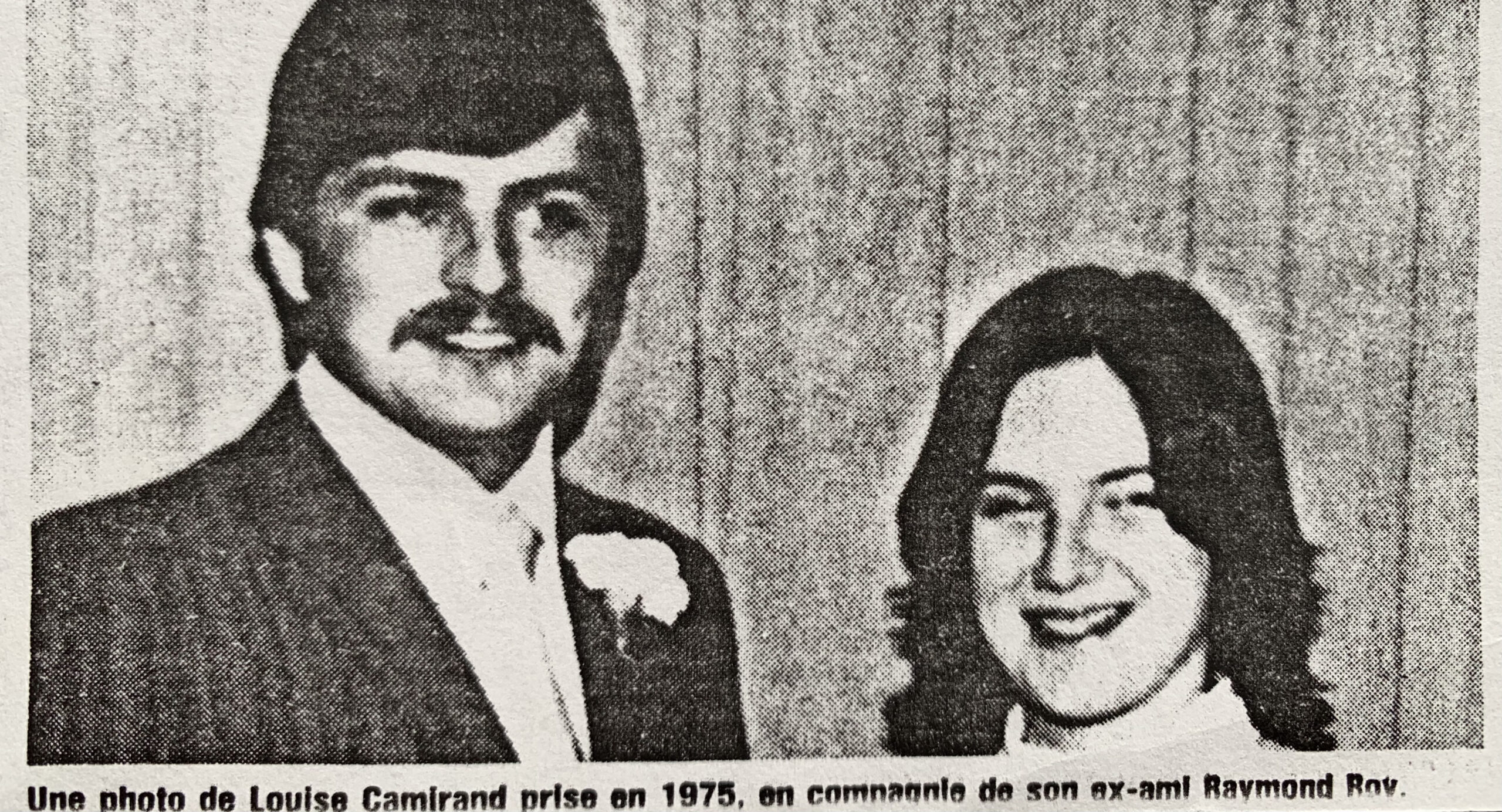
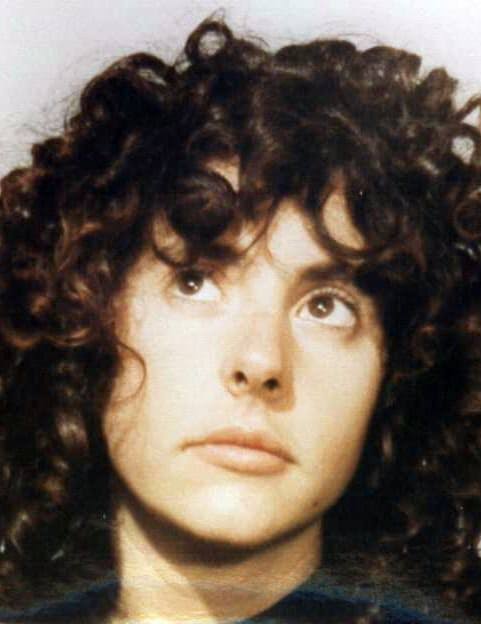
In the spring of 1971, a young woman’s life was brutally cut short, leaving a mystery that has endured for over half a century. Brigitte Pakeur, a 21-year-old female, was just beginning her adult life. Little is publicly known about her family, her work, or the dreams she held, but her sudden and violent death left an indelible mark, becoming one of Quebec's most persistent unsolved homicides. Her name, often misspelled in early reports, represents a case that has long awaited a resolution, a story of a life taken and justice yet to be served.
The last time anyone is known to have seen Brigitte alive was on the evening of Wednesday, May 19, 1971. She was in Montreal, leaving a residence on Sacré-Cœur Street in the Ahuntsic-Cartierville borough. Her path was meant to take her toward Fleury Street, a detail that provides a final, fleeting glimpse of her last known movements. What happened in the hours that followed remains a dark and unanswered question. The vibrant city life of Montreal in the early 1970s, a time of cultural and social change, held a hidden danger that tragically found its way to Brigitte.
The following day, May 20, 1971, the grim discovery was made. Brigitte’s body was found approximately 30 miles north of the city, in the rural community of Sainte-Anne-des-Plaines. The area, known for its farmland and open spaces, became the backdrop for a horrific crime. A 36-year-old farmer named Denis Racine was taking a walk on land near Montée Morel when he came across the scene in a field near a local dump in the Rang Mollet. Brigitte was found without any identification. She was wearing red "hot pants," a popular style of the era, and a blue coat.
The subsequent investigation by the Sûreté du Québec, the provincial police force, determined that Brigitte had been the victim of a violent homicide. A coroner's inquest held on March 15, 1972, nearly a year after her death, revealed the brutal nature of the crime. The cause of death was determined to be severe blows to the head, inflicted with a heavy object described as a hammer or an axe. Investigators at the time believed she had been killed at the same location where her body was discovered. Despite this, the trail went cold. No suspects were publicly named, and no arrests were ever made.
The decades that followed have offered no public breakthroughs in the investigation. Brigitte Pakeur's murder is one of many unsolved cases from that era in Quebec, a period that saw a number of violent crimes against young women that remain unresolved. These cases are a heavy burden for law enforcement and a source of unending pain for families who are left without answers. The Sûreté du Québec's cold case unit, which was significantly expanded in 2018 to handle a backlog of nearly 750 unsolved cases, keeps files like Brigitte's open.
As of May 2026, more than five decades after her death, the case of Brigitte Pakeur remains an active and open investigation. The passage of time has not closed the book on her story. Investigators and organizations like Meurtres et Disparitions Irrésolus du Québec continue to appeal to the public, hoping that someone, somewhere, holds a piece of information that could finally break the silence. A memory, a conversation overheard, or a pang of conscience could be the key to understanding what happened to Brigitte on that spring night in 1971 and bringing her killer to justice.
The Sûreté du Québec continues to ask for the public's help. Anyone with information regarding the unsolved homicide of Brigitte Pakeur is urged to contact the Centrale de l’information criminelle at 1-800-659-4264.