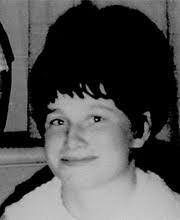
In the summer of 1967, Suzanne Gilbert, a 17-year-old girl from Montreal, Quebec, was enjoying a vacation with her family in the scenic Bas-Saint-Laurent region. She was joined by her friend, 17-year-old Denise Picard, for what should have been an idyllic getaway. The group was staying in a collection of small cottages near the St. Lawrence River in an area known as Anse à Pierre-Jean, in the community of Saint-Simon-de-Rimouski. The two teenagers were given their own cottage for the night, just a few meters from the one occupied by Suzanne's family.
The morning of August 10, 1967, brought a horrific discovery. When Suzanne’s mother went to wake the girls, she found them both dead inside the cottage. The scene was brutal; both Suzanne and Denise had been shot at point-blank range and bludgeoned in the head with a blunt object. The violent double homicide shocked the quiet coastal community and launched an investigation that would span decades, leaving a permanent scar on the Gilbert and Picard families.
The Sûreté du Québec, the provincial police force, undertook a massive and meticulous investigation. Led by Inspector Adrien Boisvert of the homicide squad, detectives questioned every known sex offender and career criminal in the region. They tracked down and interviewed the owners of every registered.32 caliber revolver in the lower St. Lawrence area. Investigators also looked into a tip from the wife of a family acquaintance, who reported seeing a car on the private road near the cottages on the night of the murders. This led police to check an astonishing 1,492 vehicles, but the murder weapon and the mysterious car were never found.
In 1968, the investigation focused on a man who was part of the vacationing group, a family friend named Hector Savoie. The sexagenarian from Montreal was arrested and charged with the murders. However, during the legal proceedings, a judge determined there was insufficient evidence to proceed to trial and ordered a stay of proceedings. Savoie was released, but suspicion followed him for the rest of his life. He passed away a few years later. For decades, the case grew cold, with no new leads to bring justice for the two slain teenagers.
A significant breakthrough came more than half a century after the crime. In 2018, investigators with the Sûreté du Québec’s cold case unit reopened the file, applying modern forensic science to evidence collected in 1967. Biological samples, including semen found on one of the victims and an unidentified hair clutched in the other's hand, were subjected to DNA analysis. The results were definitive: the DNA did not belong to Hector Savoie, officially exonerating him and proving his innocence decades after his death.
With Savoie cleared, the investigation was re-energized. Since 2018, police have identified and investigated about a dozen new potential suspects, using DNA from them or their descendants to compare against the crime scene profile. So far, none of these inquiries have resulted in a match. The identity of the man who entered the small riverside cottage and took the lives of Suzanne Gilbert and Denise Picard remains a mystery. As of May 2026, the case remains an active and unsolved investigation with the Sûreté du Québec.
Anyone with information that could help solve this crime is encouraged to contact the Sûreté du Québec's Centrale de l’information criminelle at 1-800-659-4264.