Francisco Acevedo: The Yonkers Serial Killer
Overview
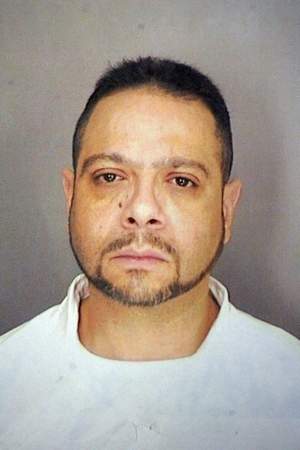
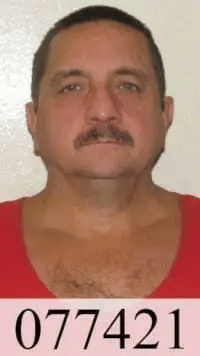
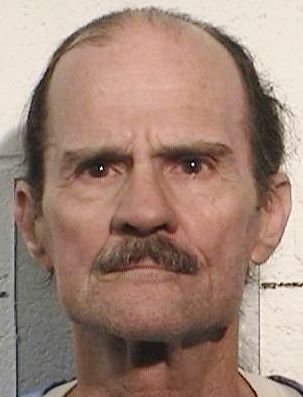
Francisco Acevedo is an American serial killer who was convicted of murdering three women in and around Yonkers, New York, between 1989 and 1996. The murders remained unsolved for many years and became some of the region's most troubling cold cases. Investigators eventually linked the crimes through forensic evidence and DNA recovered from the crime scenes. Acevedo was not identified as a suspect until decades later, when a DNA sample he voluntarily provided while incarcerated for an unrelated offense matched evidence collected from the victims.
Born on September 2, 1968, in Meriden, Connecticut, Acevedo had a lengthy criminal history that included violent offenses and sexual assault prior to the murders. In 2011, a jury found him guilty of three counts of second-degree murder. In January 2012, he was sentenced to a total of 75 years to life in prison.
Background and Criminal History
Before the murders for which he was convicted, Acevedo had already demonstrated a pattern of violent criminal behavior. In 1986, he kidnapped and sexually assaulted a woman in Connecticut. According to court records, he bound and blindfolded the victim before attacking her. He was arrested, convicted, and served a prison sentence before being released in 1988.
Throughout the 1990s, Acevedo accumulated additional arrests, including domestic violence incidents involving his wife. Despite these offenses, he was never considered a suspect in the Yonkers murders until forensic technology eventually connected him to the crimes.
...
MEMBER ACCESSContinue reading the complete profile
Unlock the full profile for Francisco Acevedo, complete victim information, available sources, videos, and member discussions.
Unlock Full Access — $3.97/month Already a member? Log in