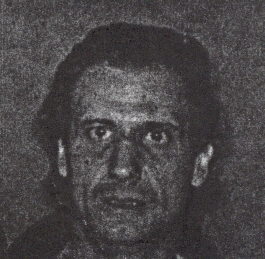
On the day after Thanksgiving in 1986, a violent crime shattered the holiday weekend in Columbus, Ohio. Willie Hunter, a 52-year-old Black man, was found deceased inside his own home. The discovery was made on Friday, November 28, 1986, at his residence located at 1718 East Hudson Street in the city's Linden neighborhood. The sense of security and peace that a home should represent was irrevocably broken that day, leaving behind a mystery that has endured for decades.
When officers from the Columbus Police Department and first responders arrived at the East Hudson Street address, they found Mr. Hunter with multiple stab wounds. He was pronounced dead at the scene. The Franklin County Coroner would later confirm the cause of death as homicide resulting from the brutal injuries he sustained. The attack had taken place within the presumed safety of his residence, but the circumstances that led to this fatal encounter remain unknown. There were no immediate signs of forced entry reported, leaving investigators to ponder whether Mr. Hunter knew his assailant.
The Columbus Police Department immediately launched a homicide investigation, designated as case number 932. Detectives processed the scene for evidence, canvassed the neighborhood for potential witnesses, and began the arduous task of piecing together the final hours of Willie Hunter's life. In 1986, forensic technology was not what it is today, and without clear leads, such cases could quickly grow cold. Despite their efforts, investigators were unable to identify a suspect or establish a motive for the killing.
Over the years, the investigation into Willie Hunter's murder has remained open but unsolved. As active leads diminished, his file was eventually transferred to the cold case unit, a repository for the city's most challenging and unresolved homicides. The case is also listed in the Ohio Attorney General's Unsolved Homicides database, a public-facing effort to generate new information on longstanding cases from across the state. This database ensures that victims like Willie Hunter are not forgotten and that their cases remain visible in the hope that someone, somewhere, holds the key to unlocking the truth.
Decades have passed since Willie Hunter was killed, and the questions surrounding his death are as pressing today as they were in 1986. Who targeted him and why? What happened inside his home on that November day? Was it a dispute that escalated, a robbery gone wrong, or something else entirely? Without a suspect or a confession, the answers are lost to time, waiting for a crucial piece of evidence or a witness to finally come forward. His case is a stark reminder of the lasting pain and uncertainty that unsolved homicides inflict on families and communities.
As of today, the murder of Willie Hunter remains an active cold case with the Columbus Police Department. Investigators and state officials believe that even after so much time, new leads are possible. They urge anyone with information, no matter how insignificant it may seem, to come forward. A small, forgotten detail could be the critical breakthrough needed to provide long-awaited answers and deliver justice for Willie Hunter. Anyone with knowledge about this case is encouraged to contact the Columbus Police Department or submit a tip through the Ohio Attorney General's office.