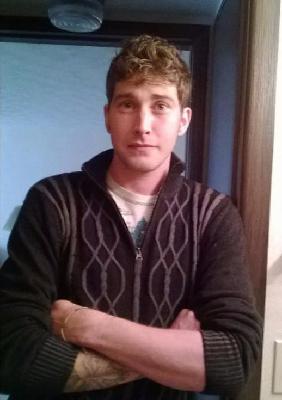
On April 2, 1996, the life of Andre Gibbs, an 18-year-old Black man, was cut tragically short by gunfire in Columbus, Ohio. For decades, the silence surrounding his death has been a heavy burden for those who knew him and for a community that lost one of its young members. Public records about Andre's personal life—his family, his education, his hopes for the future—are scarce, leaving behind a portrait defined more by the unanswered questions of his final moments than the life he lived.
The incident occurred at 810 Brentnell Avenue on the city’s East Side. This area lies within a historically significant part of Columbus, near the King-Lincoln Bronzeville and South Linden neighborhoods. These communities were once thriving, self-sustaining hubs of African-American culture, commerce, and life, with bustling entertainment districts and strong social fabrics. However, by the mid-1990s, the area was grappling with the long-term consequences of urban renewal projects, including the construction of Interstate 71, which had physically divided neighborhoods and displaced residents decades earlier. These changes, combined with economic shifts and disinvestment, left communities like this one facing significant challenges, including poverty and increased crime.
On that Tuesday in the spring of 1996, Andre Gibbs was found with a fatal gunshot wound. The circumstances leading up to the shooting remain unknown to the public. There were no immediate reports of witnesses, a motive, or any leads on a potential suspect. The Columbus Police Department responded to the scene and opened a homicide investigation, but the case yielded few answers. Detectives worked to piece together the events of that day, but the trail eventually went cold.
In the years that followed, Andre's case was transitioned from an active investigation to an unsolved homicide. It remains open, a lingering file for detectives and a persistent source of pain for his family. His name and case number, 1567, are now part of Ohio's official cold case archives, maintained by the Ohio Attorney General's Office and the Bureau of Criminal Investigation (BCI). This inclusion ensures that Andre is not forgotten by law enforcement and that his case is periodically reviewed, awaiting the one piece of information that could break it open.
The lack of resolution has left a void. Without arrests or a clear understanding of what happened, there has been no public justice for Andre. The passage of time often erodes memories and scatters potential witnesses, making the work of investigators increasingly difficult. Yet, authorities believe that someone, somewhere, holds the key to understanding what happened to Andre Gibbs. A seemingly small or insignificant detail could prove to be the crucial link that investigators need to move forward.
As of today, the investigation into the murder of Andre Gibbs is ongoing. The Columbus Police Department and the Ohio Bureau of Criminal Investigation continue to seek assistance from the public. They urge anyone with information, no matter how minor it may seem, to come forward. Anyone with knowledge about the case is asked to contact the Ohio Bureau of Criminal Investigation (BCI) at 855-224-6446 or to submit a tip through their website.