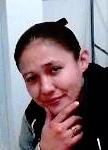
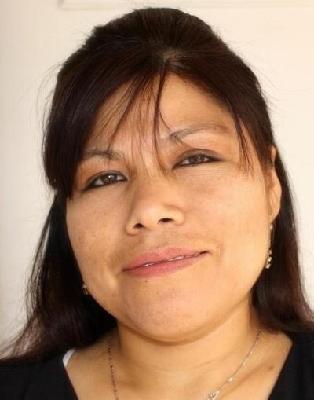
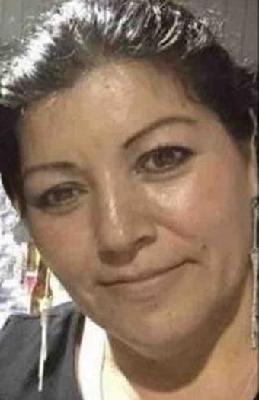
Kathleen Heisey was a beloved mother, sister, and daughter from a prominent Bakersfield, California, family that had called the city home for four generations. Her father had served on the city council, and Kathleen, 50, continued the family’s legacy of public service as the passionate and dedicated principal of Browning Road Elementary School in nearby McFarland. A single mother of two, a son named Timm and a daughter named Lisa, she was remembered by her family as a beautiful and energetic woman with a deep Christian faith. At school, she was a fierce protector of her students, encouraging them to resist gangs and drugs while mentoring young teen parents to finish their education and build loving homes for their own children.
The last time anyone is known to have heard from Kathleen was the evening of Monday, June 29, 1998. She had spent the afternoon with a friend and coworker, Lynn Runyan, leaving for her south Bakersfield home around 7 p.m. About 25 minutes later, she left a phone message for her daughter. It was her habit to unwind after work with a drink and a cigarette on her back patio, which faced a large, open field. When the ever-dependable principal missed a school meeting the next day and failed to show up for work on Wednesday, July 1, concerned colleagues asked Runyan to check on her. At the house, Runyan found two days' worth of newspapers on the porch and a horrific scene inside.
Kathleen Heisey had been brutally killed. Investigators with the Bakersfield Police Department determined she had been stabbed numerous times in what they described as an "overkill," indicating personal rage. The initial attack likely occurred in the living room before her body was dragged down a hallway to her bedroom. There, the killer posed her body in a sexually degrading manner and inserted foreign objects, including two of her own guns, into her body. The medical examiner from the Kern County Coroner's Office ruled her death a homicide. The crime scene was so disturbing that first responders required extensive counseling.
The investigation revealed no signs of forced entry, leading detectives to believe the killer entered through an unlocked back patio door. Nothing was reported stolen from the home. Shoe prints found inside the house matched tracks discovered in the field behind her property, and a broken board in the back fence suggested a possible escape route. The murder weapon, believed to be a large knife, was never found, leading police to conclude the killer brought their own "tools" and took them when they left.
Over the decades, investigators have scrutinized several individuals, but no arrests have ever been made. One person of interest was a coworker, Lloyd Wakelee, with whom Kathleen had a difficult professional relationship. She had reportedly told a friend she was afraid of him after informing him she was giving him a negative work evaluation. Wakelee provided a DNA sample and had a strong alibi, placing him miles away at the time of the murder, and was never charged. Another man, a married individual with whom Kathleen was having an affair, was also looked at after she had reportedly given him an ultimatum to end his marriage. He was not considered a strong suspect.
More recently, cold case investigators have noted similarities between Kathleen’s murder and the crimes of Michael Charles Brown, a serial rapist and murderer on death row for the 2000 killing of Ruby Lee Jackson Meriweather in Bakersfield. Meriweather was also stabbed multiple times and her body was posed in a sexually humiliating way. Brown was known to use foreign objects in his assaults. While no direct evidence has linked Brown to Kathleen’s case, former investigator Paul Holes has called him the prime suspect.
The brutal murder of Kathleen Heisey shocked the community and has haunted her family, friends, and the detectives who worked the case. In her memory, the Kathleen Heisey Scholarship was established to help students from McFarland continue their education. As of December 2024, her case remains unsolved. The Bakersfield Police Department continues to hold the case open, and the Secret Witness Program offers a reward of up to $5,000 for information that leads to an arrest.
Help with funeral costs, support for the case, guides on what to do next, and ways to remember them together.
💙Help with funeral costs
Families of homicide victims can get help paying for the funeral, counseling and lost support from California Victim Compensation Board (CalVCB) – Victim Compensation Program. Deadline to apply: 7 years from the crime (late applications can be accepted for good cause). It's free to apply.
Planning a vigil, search or walk for Kathleen Heisey? List it free on our community events calendar so more people can come and help.+ Add an eventSee events in California
Put California unsolved homicides on your website — a free, always-updated list. Get the widget →