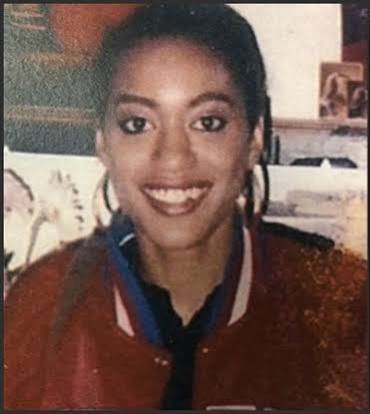
On January 17, 1991, the body of 18-year-old Christine Miller, a female, was found in a wooded area in Johnston, Rhode Island. For more than three decades, the questions surrounding her death have lingered, leaving a painful void for those who knew her and a stubborn challenge for law enforcement. Her case remains an open and unsolved homicide, a cold case file waiting for the one piece of information that could finally bring resolution.
The discovery was made in a patch of woods at 2207 Hartford Avenue, a busy thoroughfare also known as U.S. Route 6. The location was not deeply secluded, suggesting a crime that was either brazen or hastily concluded. An autopsy confirmed that Christine had been the victim of a homicide, but specific details about her injuries or the cause of death have not been publicly released by investigators over the years.
The lack of publicly available information is common in cold cases, as detectives often withhold details that only the perpetrator would know.
In the early 1990s, Johnston was a growing suburban town, a place where a violent crime like this would have sent ripples of fear and shock through the community. The investigation was initially handled by the Johnston Police Department, who would have canvassed the area, interviewed potential witnesses, and chased down any leads. Despite their efforts, the trail went cold. No suspects were publicly named, and no arrests were ever made in connection with Christine's murder.
The case was eventually turned over to the Rhode Island State Police and became part of the state's Cold Case unit. This specialized unit is tasked with re-examining unsolved homicides, applying new technologies and forensic methods that were not available at the time of the original investigation. This can include advanced DNA testing, re-interviewing original witnesses, and exploring new leads that may have emerged over the decades. The hope in cases like Christine's is that a witness who was once afraid to come forward may now feel able to speak, or that a scientific breakthrough could identify a previously unknown suspect.
Publicly, very little information has ever been released about Christine Miller's life. Details about her family, where she went to school, her interests, or her activities in the days leading up to her death are not part of the public record. This scarcity of personal detail makes a case that is already thin on facts feel even more remote, obscuring the vibrant young woman who lost her future. She is remembered primarily through the stark and tragic details of her death, listed on cold case websites as a name, an age, and a location.
Christine's case is one of several unsolved homicides from that era in Rhode Island, a somber list of mysteries that continue to haunt investigators and families. Her death occurred in the same town where, just over a decade earlier, Gino DiLorenzo was shot and killed upon arriving at his Harrison Street home in 1979, and where Evelyn Sanchez was found murdered in a junkyard in 1994. While there is no indication these cases are related, they form a backdrop of unresolved violence in the area's history.
As of August 2022, the investigation into the homicide of Christine Miller remains open but inactive, pending new information. The Rhode Island Cold Case unit maintains the file, waiting for a tip or a forensic match that could break the decades of silence. There is no statute of limitations on murder, and investigators hold out hope that someone, somewhere, knows what happened to Christine Miller in January 1991 and will finally come forward with the truth.