Crime Solvers Central
302 Cases Solved. Advancing justice for missing persons, unsolved homicides, unidentified and unclaimed remains.

Case Description

Any updates on this case? Let us know!
Summary based on 5 sources
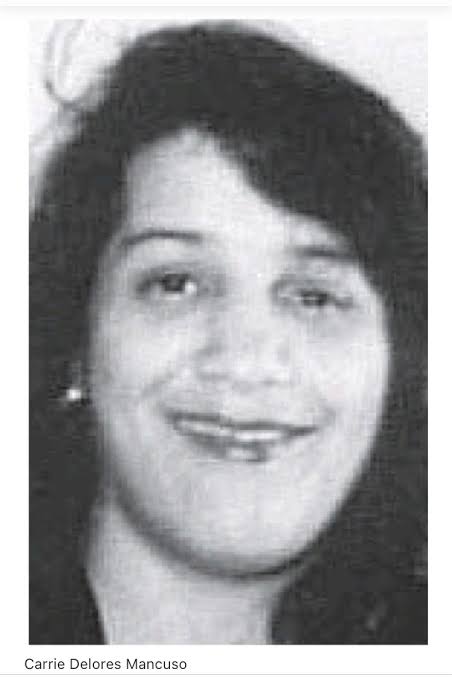
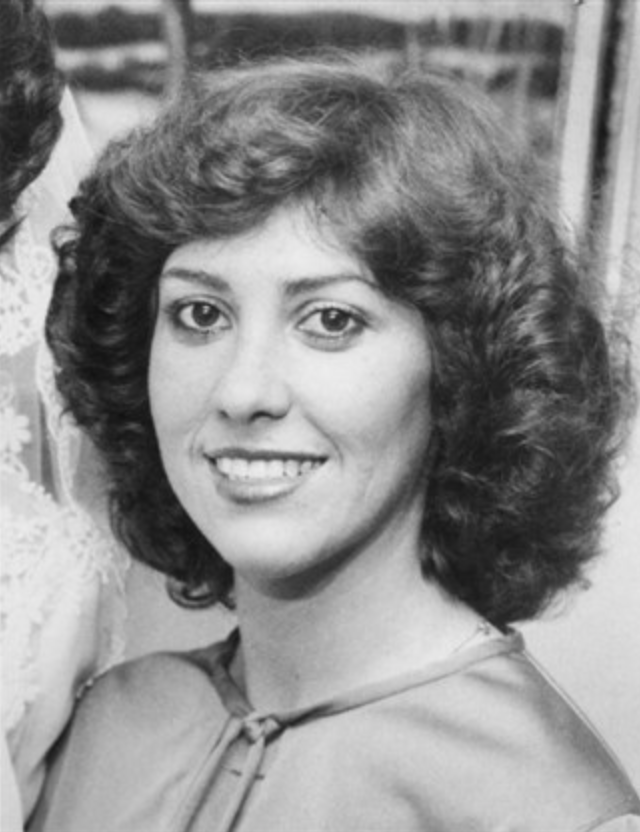
On September 7, 1995, Carrie Mancuso, a 32-year-old woman, was found deceased inside her apartment on Lafontaine Street in the Vanier neighbourhood of Ottawa, Ontario. A friend discovered her nude body in her bed. An autopsy later revealed she had been strangled to death with her own cross necklace.

Those who knew Carrie remembered her as more than the difficult circumstances she faced. While police and news reports noted her struggles with drug addiction and her involvement in the sex trade, friends and family recalled a devoted daughter who possessed a creative and gentle spirit. She loved sculpting and expressed herself through poetry. In the months after her death, her mother, Carol-Ann Johnson, remembered her daughter as someone who seemed on edge before she was killed, possibly sensing that her life was in danger. About two weeks after she was found, approximately 35 people gathered for a vigil in her memory, determined that the person they knew would not be forgotten.

The Ottawa police investigation into Carrie's homicide pieced together some of her last known movements. Investigators learned that on September 6, the day before her body was discovered, she had allegedly made a drug purchase near the intersection of Rideau and Nelson Streets. She left the area in a taxi but returned later that evening. The last time she was seen alive was in the early morning hours of September 7, inside her apartment building. She was with a man described as being in his late 20s or early 30s with short brown hair and tattoos on both arms. Uniquely, he was said to be wearing a light-coloured kilt.

According to the police timeline, the kilted man spent the night at Carrie's apartment. He reportedly fled the scene by climbing out a window when another, unidentified man rang the apartment's doorbell. This man was initially considered a suspect and was later located and interviewed by police, though no charges were ever laid in connection with the murder. Investigators acknowledged that Carrie's lifestyle and the community she was part of made gathering information difficult, as many people were hesitant to come forward, possibly due to fear or their own involvement with drugs. Three months after the killing, Carrie's mother expressed her belief that the police had likely already spoken to the person responsible and that the answers were held within the world of "drug dealers and pimps."

For years, Carrie's case has remained one of several unsolved homicides of women involved in the sex trade in the Ottawa area during that era, including the deaths of Melinda Sheppit in 1990 and Sophie Filion in 1993. Police have periodically re-examined these cases, hoping that fresh eyes or new forensic techniques might uncover a missed clue. Staff Sgt. Bruce Pirt of the Ottawa Police noted that solving one cold case can bring new hope and encouragement to investigators working on others, showing that a single piece of new information can be the key.

Decades have passed, but the search for justice for Carrie Mancuso continues. In an interview nearly two decades after her daughter's death, Carol-Ann Johnson expressed her fading hope for an arrest but remained committed to ensuring her daughter's story was not forgotten. "The best I can hope for is to keep people talking about it,” she said. As of December 2025, Carrie Mancuso's murder is still listed as an active cold case. The Ottawa Police Service continues to seek information from the public that could finally provide answers and closure for her loved ones.