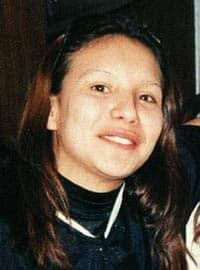
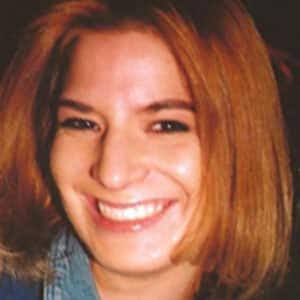
Amber Alyssa Tuccaro, a vibrant 20-year-old mother from the Mikisew Cree First Nation, was deeply connected to her family and her community in Fort McMurray, Alberta. Remembered for her love for her young son, Jacob, she was a cherished daughter and sister. Her life was full of promise before it was tragically cut short in a crime that remains a painful, open wound for her loved ones and a stark reminder of the ongoing crisis of missing and murdered Indigenous women in Canada.
In August 2010, Amber traveled to the Edmonton area for a short trip, flying from Fort McMurray on August 17 with her 14-month-old son and a female friend. They booked a room at a motel in Nisku, a community just south of the city. The following evening, on August 18, Amber was seen for the last time. She accepted a ride into Edmonton from an unknown man, planning to meet up with people in the city. She never arrived. During that car ride, she was on the phone with a friend when the conversation captured a chilling exchange with the male driver. In the audio, later released by police, Amber’s voice is filled with concern as she questions the man’s route, telling him, "You'd better not be taking me anywhere I don't want to go." The man can be heard trying to reassure her they are on a backroad heading toward 50th Street in Edmonton, but investigators believe he was actually driving south, deeper into rural Leduc County.
For two years, her family waited in anguish, relentlessly pushing for answers. Their search came to a devastating end on September 1, 2012, when horseback riders discovered skeletal remains in a wooded, rural field in Leduc County. Dental records soon confirmed the remains belonged to Amber Tuccaro.
The investigation into Amber's disappearance and murder, handled by the Royal Canadian Mounted Police (RCMP), would later come under intense scrutiny. In 2012, the RCMP released the minute-long audio clip from Amber's final phone call, hoping someone would recognize the voice of the man driving the car. Despite thousands of tips, his identity remains a mystery. Amber's family was critical of the police response from the very beginning, feeling their concerns were dismissed and that investigators were slow to act. They alleged that stereotypes about Indigenous women tainted the investigation.
In 2014, the family filed a formal complaint, which led to a damning independent federal review. The 120-page report, released in 2018, concluded that the Leduc RCMP's investigation was "deficient." It found that officers failed to follow proper procedures and guidelines. The report highlighted a series of critical errors: the investigation did not truly begin until a month after she was reported missing, crucial interviews were not conducted for four months, and she was, at one point, wrongly removed from the missing persons list based on unconfirmed sightings. Furthermore, a suitcase containing Amber's personal belongings, recovered from her motel room, was accidentally destroyed by police.
In July 2019, nearly a year after the report's release, the RCMP formally apologized to the Tuccaro family. Deputy Commissioner Curtis Zablocki admitted the investigation "was not our best work" and expressed his regret for the failures that compounded the family's pain. The family, however, felt the apology was too little, too late.
Amber’s brother, Paul Tuccaro, has been a tireless advocate for his sister, speaking at the National Inquiry into Missing and Murdered Indigenous Women and Girls to detail the family's frustrating experience with the justice system. The family has continued to hold vigils and make public appeals, hoping to generate new leads that will finally lead to an arrest.
As of early 2026, Amber Tuccaro’s murder is unsolved. The haunting recording of her last known moments serves as a crucial piece of evidence, and investigators continue to ask the public to listen to the voice of the unidentified man. The case is a prominent example in discussions about flawed police investigations and the systemic issues contributing to the crisis of violence against Indigenous women. No arrests have ever been made, and the man whose voice was captured on the phone call has never been identified.