Crime Solvers Central
302 Cases Solved. Advancing justice for missing persons, unsolved homicides, unidentified and unclaimed remains.

Case Description

Any updates on this case? Let us know!
Summary based on 5 sources
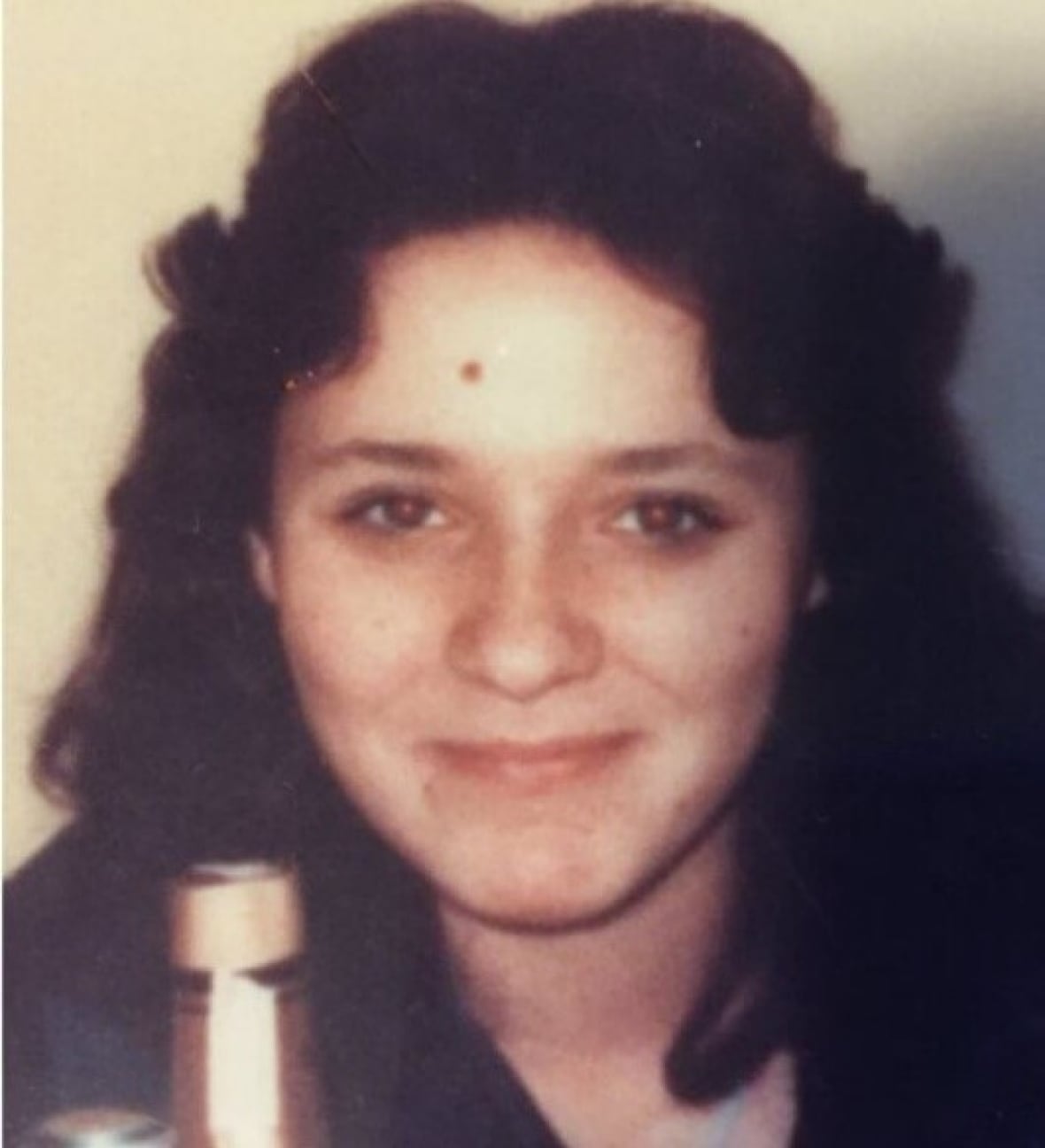
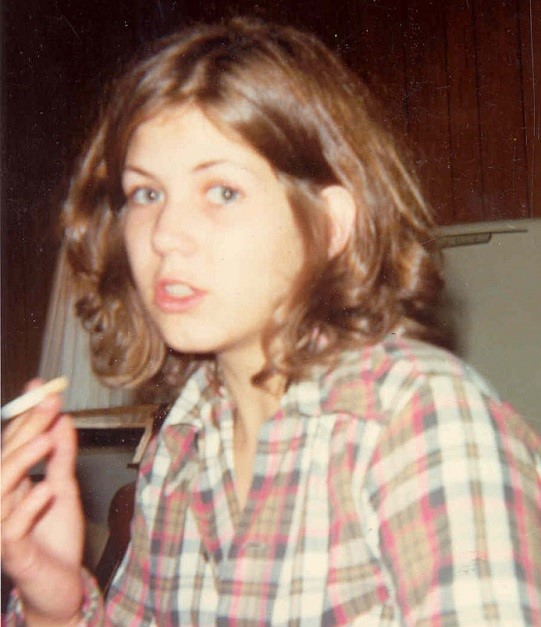
On a cold winter day in Calgary, Alberta, the body of a 38-year-old woman named Anita Gilavish was found, leaving her family with questions that have remained unanswered for decades. The discovery was made on Saturday, January 18, 1992, in a pond at the serene Inglewood Bird Sanctuary, a protected wildlife reserve on the banks of the Bow River in the eastern part of the city. Investigators with the Calgary Police Service quickly determined that Anita, who also went by the name Anita Evans, had not died by accident or by her own hand; her death was a homicide.

At the time of her death, Anita's life was complicated. Her family acknowledged that she was struggling with a substance use disorder and had fallen in with what they described as a "rough crowd." This vulnerability may have put her at risk, but it does not diminish the tragedy of a life cut short. Born on October 5, 1953, Anita was more than her struggles; she was a person whose potential was stolen by an act of violence. Her case is one of several unsolved homicides from that era in Calgary, a collection of cold cases that represent enduring pain for numerous families and a continued challenge for law enforcement.

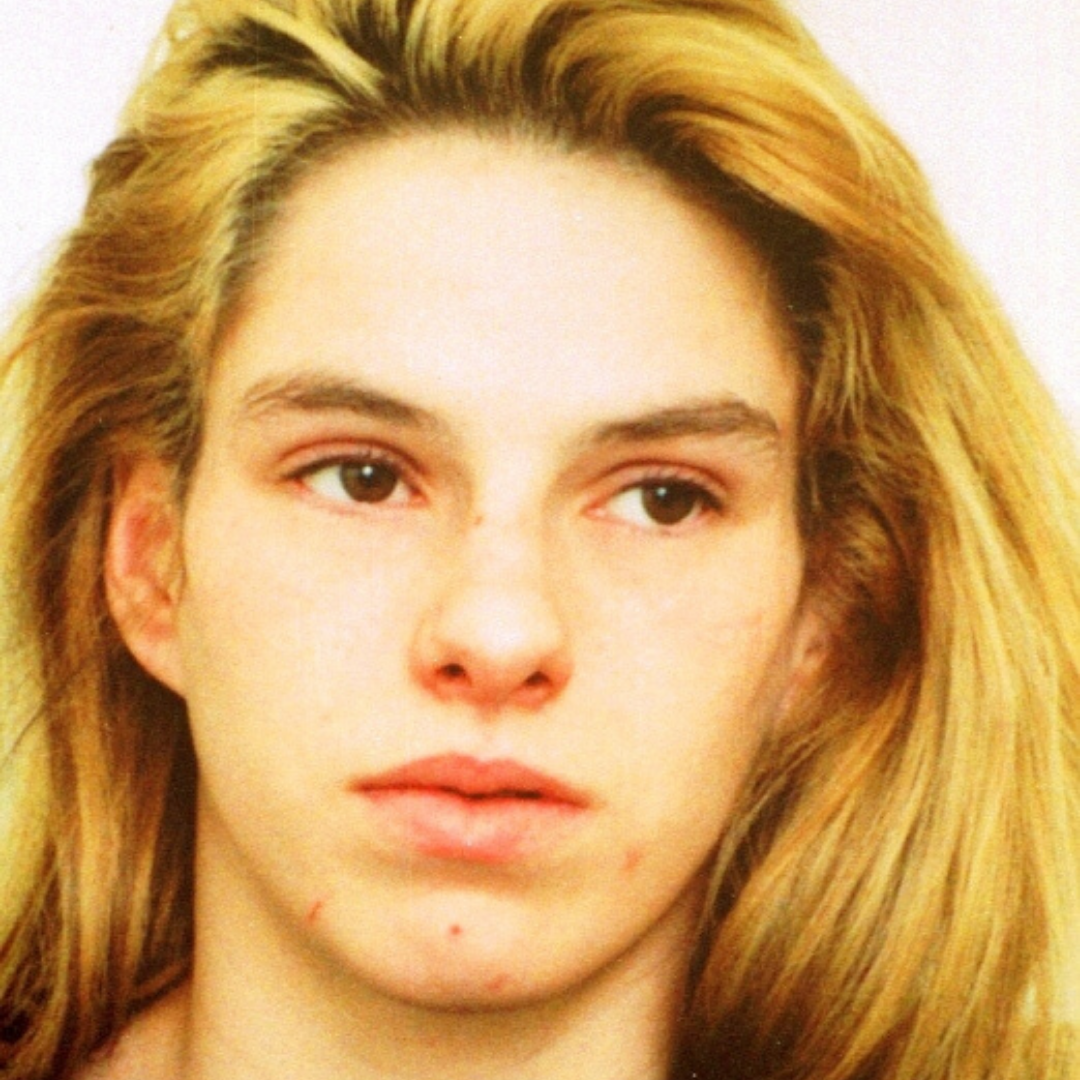
The investigation into Anita's murder has been active for more than three decades, now residing with the Calgary Police Service Homicide Unit as a cold case. Over the years, detectives have pursued various leads and theories. While police have never officially solved the murder, both investigators and independent criminologists have explored possible connections to transient serial offenders who were active in Western Canada during the early 1990s. One name that has been specifically mentioned in relation to Anita's case is Luc Gregoire, a convicted violent offender.

Gregoire was a federal parolee who had been granted a travel permit to move permanently to Calgary for work in late 1991, just weeks before Anita's body was discovered. He was later convicted of a brutal murder in Quebec. While investigative theories have examined Gregoire as a person of interest in Anita's death and other unsolved Calgary cases from that period, no charges have ever been laid, and the link remains unproven. The investigation has also considered the possibility of a common killer in several cases involving women found in and around the city, but no definitive connections have been publicly established by police.

As forensic science has evolved, so has the hope for a breakthrough in Anita's case. Investigators have noted that new technological advances can be applied to surviving evidence, potentially identifying suspects decades after the crime was committed. The Calgary Police Service periodically reviews the file, hoping that a new technique or a long-awaited piece of information will finally provide the key to solving the homicide. Police have stated they never simply put cold cases on a shelf to be forgotten. "They're always workable, in our eyes," one investigator noted about such files.

As of June 2026, Anita Gilavish's murder remains an active and unsolved cold case. Her family has spent more than 30 years without knowing who was responsible for her death or why it happened. The passage of time has not eased their need for answers. Police continue to believe that someone, somewhere has information that could be crucial to the investigation. They encourage anyone with historical knowledge about Anita's death, her associates in late 1991 and early 1992, or any other detail, no matter how small it may seem, to come forward.

Anyone with information is urged to contact the Calgary Police Service Homicide Unit at (403) 266-1234. For those who wish to remain anonymous, tips can be submitted to Crime Stoppers by calling 1-800-222-TIPS (8477).