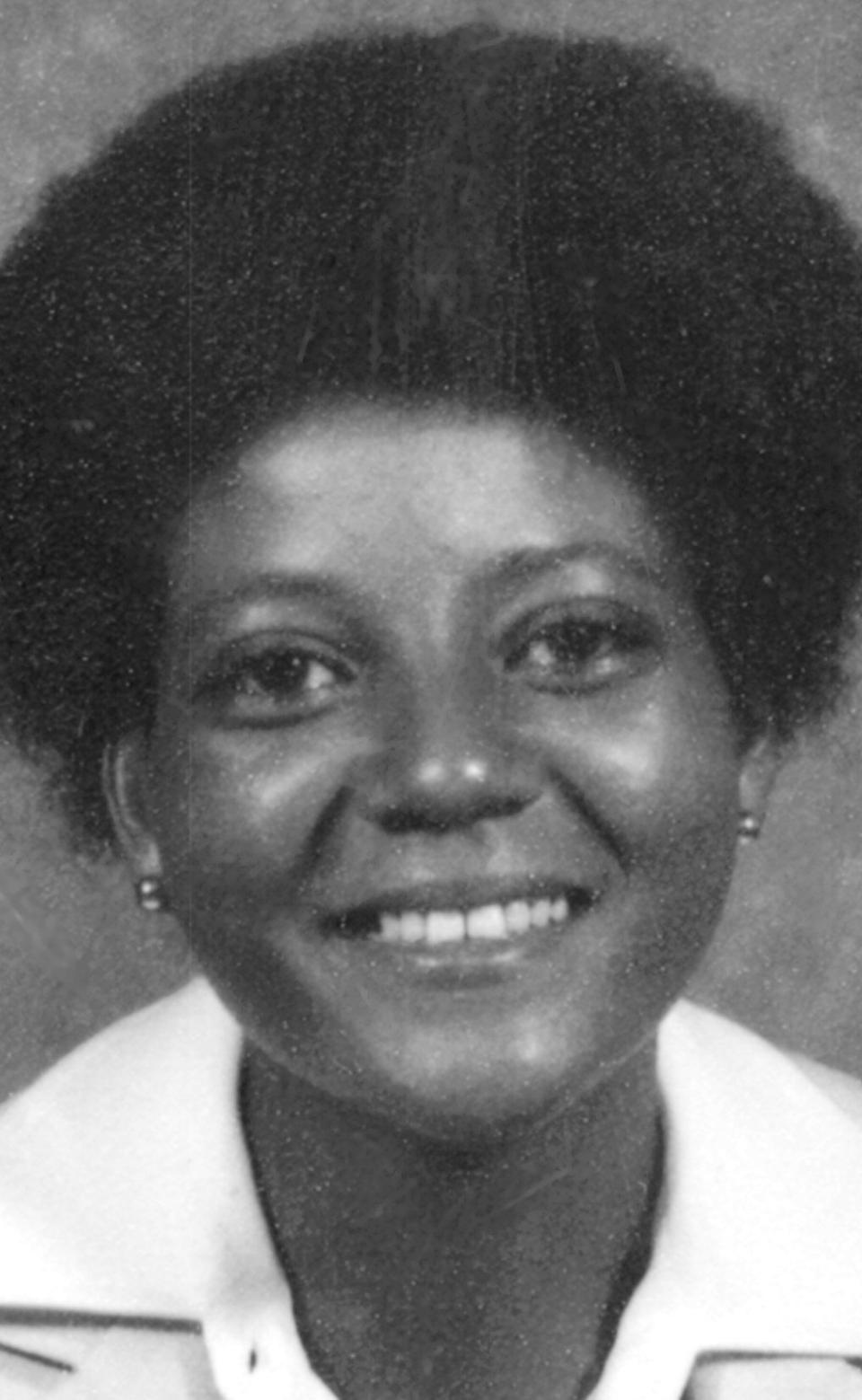
Joyce L. Dickerson-Peay, a 37-year-old Black/African American woman and a mother of two, became the final victim in a string of brutal killings that had cast a shadow of fear over the city of Springfield, Massachusetts. Her life was cut short in the winter of 1998, leaving her family to navigate a devastating loss that was part of a much larger, terrifying story unfolding in their community.
On February 18, 1998, Joyce was with a man named Alfred Gaynor, a local handyman who was known to frequent the same circles. Witnesses later told police they had seen Joyce with Gaynor and others, trying to sell some items, likely to get money for crack cocaine. After that day, she vanished. The following day, her concerned daughter, unable to find her, went to the Springfield Police Department and filed a missing person report. For three agonizing weeks, her family waited for any news, hoping for her safe return while a city remained on edge, already shaken by a series of unsolved murders of women over the previous three years.
The search ended in the most tragic way possible. On March 11, 1998, Joyce’s frozen body was discovered near a vacant restaurant on East Columbus Avenue in downtown Springfield. An autopsy confirmed the family’s worst fears and revealed the violent nature of her death: she had been manually strangled. The discovery of her body would prove to be the critical turning point in a massive investigation into a serial killer who preyed on vulnerable women.
Investigators had already been eyeing Alfred Gaynor in connection with the disappearances and murders. Based on witness statements placing him with Joyce shortly before she went missing, police had brought him in for questioning on February 27, even before her body was found. During the interrogation, Gaynor could not provide a solid alibi, and detectives took a blood sample from him. However, with no body and insufficient evidence to hold him, he was released.
When Joyce’s body was found, forensic examiners collected biological evidence left by her killer. The DNA profile developed from this evidence was a perfect match to the blood sample Alfred Gaynor had provided just weeks earlier. This forensic link was the breakthrough the police needed. It not only implicated Gaynor in the murder of Joyce Dickerson-Peay but also connected him to the recent killing of another woman, Rosemary Downs. The Springfield Police Department arrested Gaynor again on April 10, 1998, ending his three-year reign of terror.
In May 2000, Alfred Gaynor stood trial. Prosecutors used the powerful DNA evidence and testimony to prove he was responsible for the murders of four women: Joyce Dickerson-Peay, Rosemary Downs, Loretta Daniels, and JoAnn C. Thomas. A jury found him guilty on four counts of first-degree murder, and he was sentenced to four consecutive life terms in prison without the possibility of parole. During the trial, he never admitted his guilt for these crimes.
Years later, however, the full scope of his depravity came to light. In 2008, following the death of his mother, Gaynor began to confess to other murders. He stated he had not admitted to them earlier because he did not want to destroy his mother's belief in his innocence. He ultimately confessed to a total of nine murders committed between 1995 and 1998, bringing a painful and long-awaited resolution to several other families. In a public square in Springfield, a memorial was later erected to honor twelve women lost to violence in the city, and among the names etched into the stone is that of Joyce Dickerson-Peay, a mother whose life was stolen but whose memory is not forgotten.