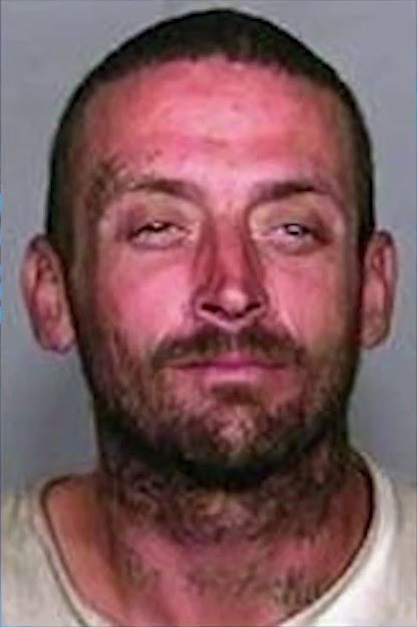
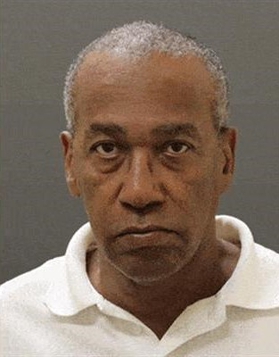
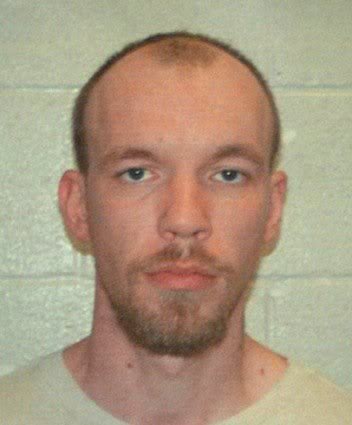
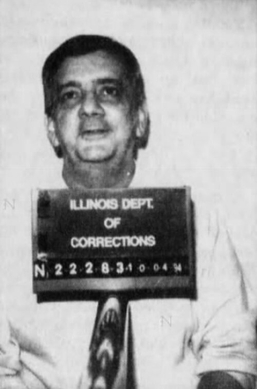
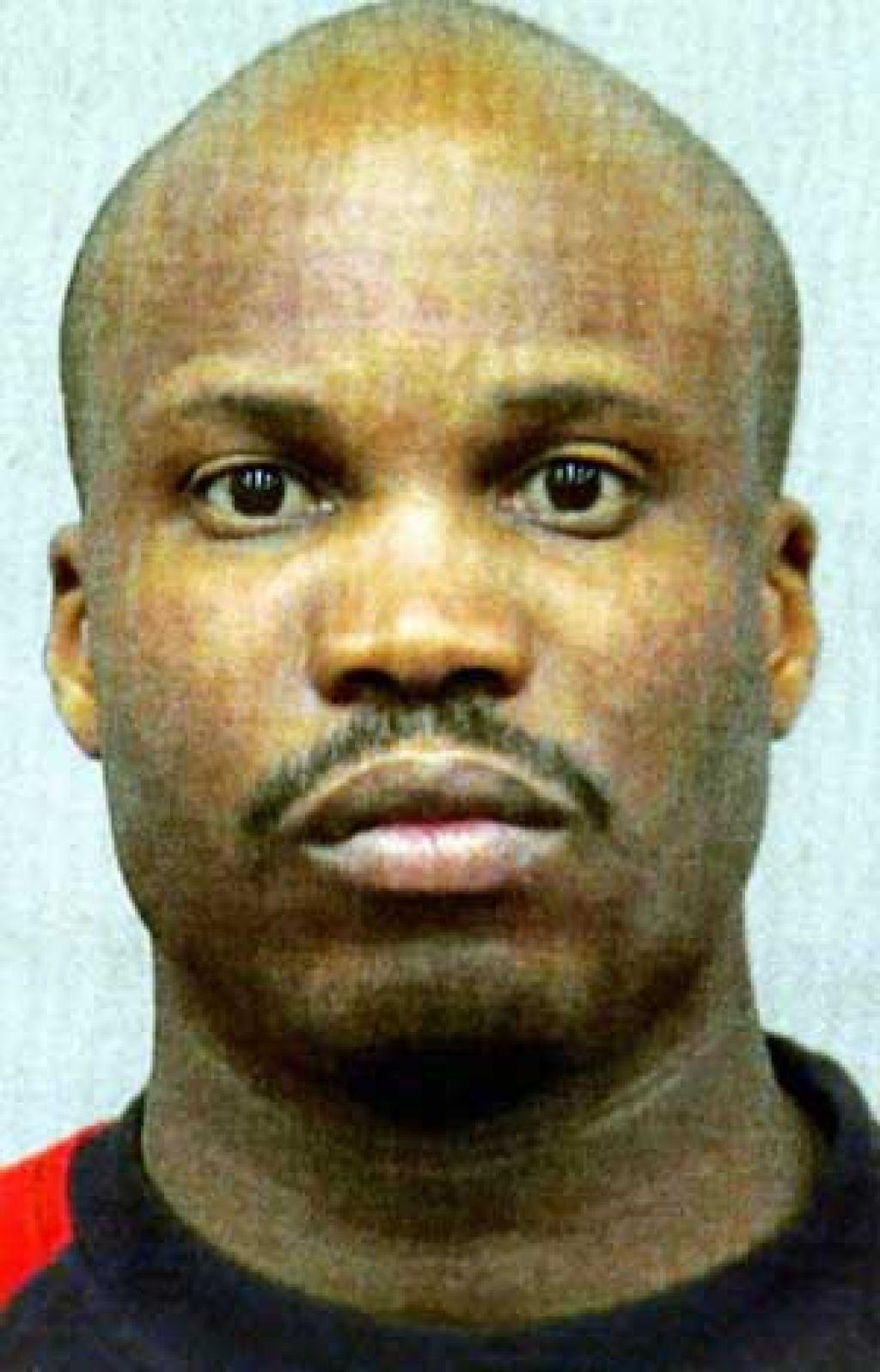
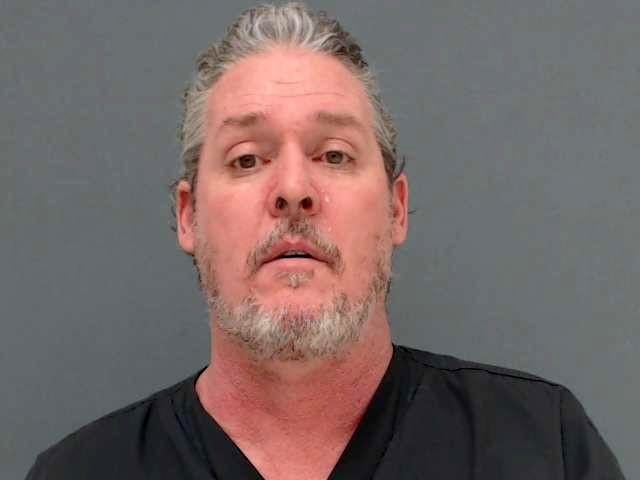
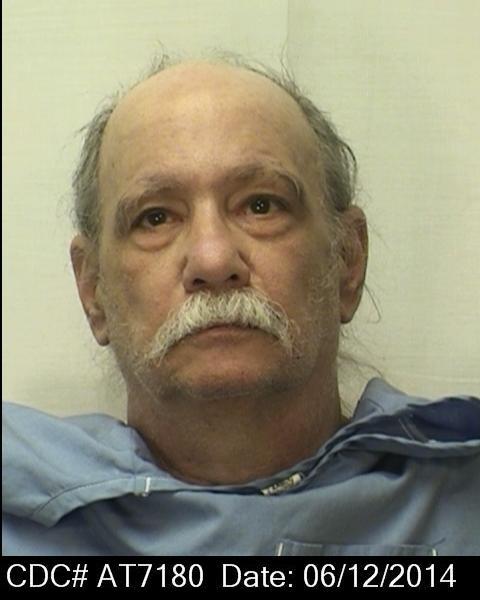
Michael Elijah Adams: The "Train Killer"
Overview
Michael Elijah Adams, often known by the nicknames "Dirty Mike" and "Crazy Mike," is an American convicted murderer and self-described serial killer who became notorious for crimes committed within the transient train-hopping community that operates along freight rail lines across the United States. Adams spent much of his life traveling by rail, living as a drifter, and associating with members of the Freight Train Riders Association (FTRA), a loose subculture of train hoppers and transients.
Adams gained national attention in 2016 after confessing to numerous murders committed over several decades. During interviews with investigators and journalists, he claimed responsibility for as many as sixteen killings involving fellow drifters, drug traffickers, and transients encountered while traveling America's railroads. Although only a small number of those killings have been formally solved, law enforcement agencies in several states investigated his admissions and considered him a suspect in additional unsolved homicides.
Early Life and Train-Hopping Lifestyle
Born in Michigan, Adams began riding freight trains as a teenager. By his own account, he left home at an early age and embraced a transient lifestyle that allowed him to travel throughout the United States. He later became involved with groups of train hoppers and drifters who moved along major rail corridors.
According to Adams, he spent years participating in criminal activity that included drug trafficking, theft, violence, and assaults committed within transient communities. During later interviews, he described a culture in which disputes were frequently settled through intimidation and violence. Investigators believe many of his alleged victims were individuals whose disappearances attracted little attention because they were homeless, transient, or estranged from their families.
...
MEMBER ACCESSContinue reading the complete profile
Unlock the full profile for Michael Elijah Adams, complete victim information, available sources, videos, and member discussions.
Unlock Full Access — $3.97/month Already a member? Log in