Edward J. Adams: Prohibition-Era Killer and Midwestern Outlaw
Overview
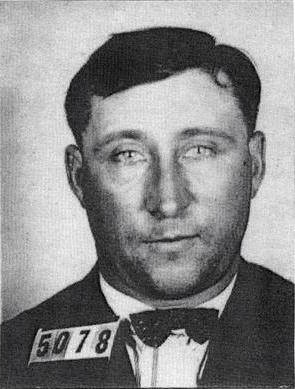
Edward J. Adams, often known as "Eddie" Adams, was an American outlaw, bank robber, and multiple murderer who operated throughout Kansas, Missouri, Iowa, and other parts of the Midwest during the early years of Prohibition. Born William Joseph Wallace on April 23, 1887, in Hutchinson, Kansas, Adams became one of the most feared criminals in the region between 1920 and 1921.
Although he is sometimes described as a serial killer, historians more commonly classify Adams as a spree killer because his murders occurred during a continuous series of robberies, escapes, and confrontations with law enforcement. During approximately fourteen months of criminal activity, Adams was linked to the deaths of at least seven people and the wounding of numerous others. His crime spree ended on November 22, 1921, when he was shot and killed by police in Wichita, Kansas.
Early Life and Criminal Career
Adams grew up in Kansas and reportedly developed a strong dislike for authority and manual labor. After learning the barber trade, he moved to Wichita and became involved in bootlegging, automobile theft, robbery, and organized criminal activity. During the Prohibition era, he assembled a gang that specialized in bank robberies, train robberies, and armed thefts throughout the Midwest. His charisma and reputation attracted numerous accomplices, allowing him to expand his criminal operations.
By 1920, Adams had become one of the region's most notorious criminals. His gang engaged in increasingly violent crimes, and shootings became a frequent part of their robberies and escapes.
...
MEMBER ACCESSContinue reading the complete profile
Unlock the full profile for Edward J. Adams, complete victim information, available sources, videos, and member discussions.
Unlock Full Access — $3.97/month Already a member? Log in