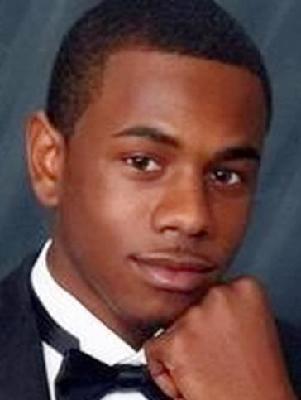
Eugene Hollins Sr. was a man of remarkable talents, known first for his prowess on the basketball court and later for his dedicated service as a police officer. Before he wore the uniform of the Petersburg Bureau of Police in Virginia, the 34-year-old had already lived a life many dream of, playing professional basketball for the Cincinnati Royals, Syracuse Nationals, and the world-famous Harlem Globetrotters. But he chose a different path of service, joining the police force to protect the community he called home. A devoted husband and the proud father of an 11-year-old son, Eugene was known as a man committed to his family and his duty. In his three years with the department, he had earned respect as a dedicated patrol officer.
The night of Saturday, November 25, 1967, began as a routine shift for Officer Hollins. Around 9:00 p.m., a call came in reporting shots fired in a neighborhood near the intersection of Harding and Mistletoe Streets. Officer Hollins, a Black/African American male, responded to the scene alone. He located two people who had made the complaint and was standing on the street, engaged in conversation with them, when the night was shattered by sudden, unprovoked violence. A man emerged and, without warning, fired a .32 caliber handgun, striking Officer Hollins in the chest and thigh in a senseless ambush.
Gravely wounded, Officer Hollins collapsed. In a display of remarkable courage and quick thinking, the two citizens he had been speaking with did not flee. Instead, they lifted the fallen officer into his own patrol car and raced him to a nearby hospital. Their desperate effort to save his life was a testament to the chaos and urgency of the moment. Despite their bravery and the immediate medical attention he received, the wounds were too severe. Patrol Officer Eugene Hollins Sr. succumbed to his injuries shortly after arriving at the hospital, his life of service tragically cut short.
The response from law enforcement was swift and decisive. As word of the shooting spread, the Petersburg police force, including off-duty officers, mobilized. Just twenty minutes after the fatal attack, two off-duty policemen located and apprehended the suspect. The investigation that followed uncovered a motive that was both simple and profoundly disturbing: the shooter had not known Officer Hollins and held no personal grudge. He had simply decided he wanted to shoot a police officer and had ambushed the first one he encountered. The randomness of the act sent a chill through the city and the law enforcement community.
Justice for the murder of Officer Hollins was not delayed. The man responsible for his death was put on trial, and the evidence against him was overwhelming. On January 16, 1968, less than two months after the shooting, the suspect was convicted of murder. He was subsequently sentenced to life in prison, a verdict that brought the legal proceedings to a close but could not fill the void left by Officer Hollins's death. The conviction ensured that the man who had set out to kill any officer would not harm another.
The loss of Eugene Hollins Sr. was felt deeply by his wife, his young son, his colleagues at the Petersburg Bureau of Police, and the entire community he had served both as an athlete and a peacekeeper. His name is etched on the National Law Enforcement Officers Memorial in Washington, D.C., on panel 27-E, line 2, a permanent tribute to his sacrifice. His end of watch on November 25, 1967, remains a solemn reminder of the dangers officers face and the profound loss that a single act of violence can inflict upon a family and a city. Though decades have passed, the memory of his service and the tragic, random nature of his death have not been forgotten.