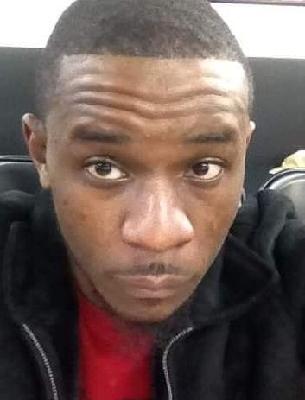
Jamel Raheem Barksdale, a 24-year-old man with a loving family, had his life stolen from him on a spring afternoon in Richmond, Virginia. His death on Tuesday, May 22, 2007, was a sudden and violent act that left his loved ones grappling with a profound loss. Details about Jamel's personal life, his work, or his interests are not widely known, but an obituary published in the days after his death noted he was survived by a loving family, who held funeral services for him the following Monday at Brunson's Funeral Chapel before laying him to rest in Evergreen Cemetery.
The day Jamel was killed, he was on a street in South Richmond with a friend when they were confronted by two individuals intent on robbery. The encounter quickly escalated to deadly violence. According to evidence presented by prosecutors, one of the assailants, Dennis Markeis Williams, robbed Jamel and his friend of a watch and a cell phone. After taking the items, Williams’ accomplice punched Jamel's friend. Then, Williams fired a single, fatal shot. The bullet struck Jamel, piercing his aorta and lodging in his spine, ending his life.
The Richmond Police Department launched an immediate and intensive investigation. Investigators were quickly able to identify Williams as a suspect. Later that same evening, officers who had been alerted to be on the lookout for Williams spotted him. A foot chase ensued, and Williams attempted to hide on the upstairs porch of a house in the 2900 block of Hull Street. Police surrounded the residence and, after two announcements that a K-9 unit would be released, Williams surrendered. When he was apprehended, he was wearing the Bulova watch that had been stolen during the robbery.
The case moved swiftly through the justice system. Williams, who was 19 at the time, was charged with first-degree murder, robbery, and firearms offenses. His trial was scheduled to begin in Richmond Circuit Court in late September 2007. However, facing what prosecutors described as strong evidence likely to lead to a conviction and a potentially longer sentence, Williams chose to accept a plea agreement. He pleaded guilty to a reduced charge of second-degree murder. The robbery and firearms charges were dismissed as part of the agreement.
In September 2007, just four months after Jamel’s death, Dennis Markeis Williams was sentenced for the murder. The judge imposed a sentence of 40 years in prison with 20 years suspended, meaning Williams was to serve 20 years of active time in prison. During the sentencing hearing, he was given an opportunity to speak. Turning to face Jamel Barksdale’s grieving family members in the courtroom gallery, Williams offered an apology. "I would like to say that I have been praying for Jamel Barksdale," he said, his words causing some family members to weep. Williams, who also became emotional, maintained that he was not the shooter but accepted the plea deal, stating, "It looks like I don't got any other choice."
The conviction and sentence brought a legal conclusion to the case, ensuring the person responsible for Jamel Barksdale's death was held accountable. While the court proceedings provided a measure of justice, they could not erase the pain and sorrow felt by Jamel's family and all who knew him. The case stands as a resolved homicide, with the perpetrator identified, convicted, and imprisoned for his role in the senseless act of violence that ended a young man's life on a street in South Richmond.