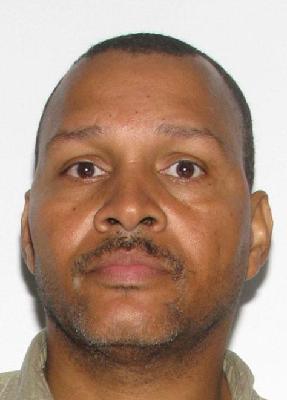
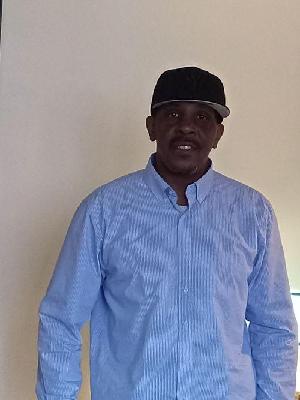
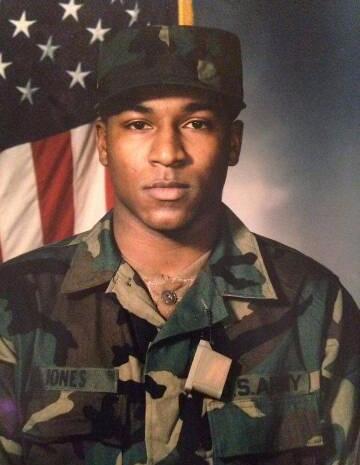
Lyle P. McMurtray was a young man with his whole life ahead of him, a beloved family member whom relatives remembered as their "rock." At 23 years old, the Dutton, Virginia, resident was married to his wife, Carmela, and was excitedly awaiting the birth of his first child. He was also preparing to adopt Carmela's two other children. Friends and family recalled his caring nature and the deep love he had for his growing family. Beyond his personal life, McMurtray, a white male, was also serving as a confidential informant for the U.S. Drug Enforcement Administration (DEA), a role that would tragically place him in grave danger.
On the evening of May 31, 2014, Lyle McMurtray drove his white SUV into the Gilpin Court neighborhood of Richmond, Virginia. He was there under the pretense of purchasing heroin from a man named Xavier Hopkins, one of two brothers he was scheduled to testify against in an upcoming narcotics trial. The transaction, however, was a setup. Later that night, children in the neighborhood discovered McMurtray's body inside the parked vehicle off East Hill Street. He had been shot multiple times and was pronounced dead at the scene. In his hand, police found a plastic sandwich bag containing heroin.
The Richmond Police Department, led by homicide detective Rick Edwards, quickly launched an investigation. They determined the killing was drug-related and identified persons of interest. Witnesses reported seeing at least one man fleeing the area on foot after the shooting. Investigators appealed to the public for any information about the white SUV or anything they might have seen that night. Just two weeks after her husband's death, a four-month-pregnant Carmela McMurtray joined police in Gilpin Court, knocking on doors and passing out flyers, pleading with the community for answers. "We had our whole lives ahead of us... and he's never going to see his baby," she said. "Someone stole that from him."
The investigation revealed that McMurtray's role as a DEA informant was the direct motive for his murder. The plan was to silence him before he could testify against the Hopkins brothers. Cell phone records and DNA evidence became crucial to the case. The last call McMurtray received was from a phone that a man named Montrio Santos Neville later admitted to using. Furthermore, Neville’s DNA was found on the outside of the heroin bag discovered in McMurtray's hand. Cell phone data also placed a phone used by Neville's girlfriend, which he acknowledged using to communicate with Xavier Hopkins, near the crime scene.
Based on this evidence, Montrio Santos Neville was arrested and brought to trial on multiple charges, including murder, conspiracy to commit murder, distribution of heroin, and firearms offenses. During the trial, prosecutors introduced evidence that one of Neville's nicknames was the "Grim Reaper," which the defense argued was inflammatory and prejudicial.
A jury ultimately acquitted Neville on the charges of murder and conspiracy to commit murder. However, they found him guilty of heroin distribution. An appeals court later determined that the introduction of his nickname was harmless, given that the jury was not swayed to convict him of murder and that sufficient other evidence, including the DNA and cell phone records, supported the distribution conviction.
In the aftermath, Carmela McMurtray placed a memorial at the spot where her husband's body was found. She offered a $2,000 reward for information leading to the killer's conviction. As of the latest reports, Lyle McMurtray's murder remains officially unsolved. Police have asked anyone with information about the case to call Richmond Crime Stoppers at 780-1000.