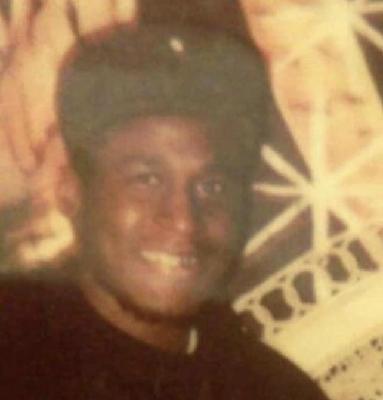
On a summer night in Chesapeake, Virginia, the life of Benjamin Novack, a 44-year-old African American man, came to a sudden and violent end. The tragic events of July 9, 2015, unfolded not on a random street corner, but within the familiar walls of his stepbrother's home, a place that should have represented safety and family.
The evening began with a dispute between Benjamin and his 55-year-old stepbrother, Russell Newhart, at Newhart's residence on Virginia Avenue. What started as a disagreement escalated, the anger between the two men culminating in an act of irreversible violence. Around 11:20 p.m., the argument reached its fatal conclusion when Newhart produced a firearm and shot his stepbrother.
In the immediate aftermath of the shooting, a sense of grim reality appears to have settled on Newhart. He walked to a neighbor’s house and asked them to call the police, an action that would set in motion the official investigation into his own crime.
When officers from the Chesapeake Police Department arrived at the Virginia Avenue home, they found Benjamin Novack suffering from a gunshot wound. He was pronounced dead at the scene.
The initial stages of the investigation moved swiftly. With Newhart’s confession to the neighbor and the evidence at the scene, he was taken into custody and charged with second-degree murder and the use of a firearm in the commission of a felony. The case seemed to be a straightforward, albeit tragic, domestic homicide, destined for the legal process of trial and sentencing.
However, the path to justice took an unexpected turn. Before the case could be fully adjudicated, Russell Newhart, the sole defendant in his stepbrother's killing, passed away. His death brought an abrupt and unconventional end to the legal proceedings. With the accused no longer alive to face trial, the murder case against him was dismissed.
For the family and friends of Benjamin Novack, this turn of events left a void where closure might have been. The legal system could no longer provide a definitive judgment on the night that cost him his life. The story of Benjamin Novack’s death is a somber reminder of how quickly familial disputes can escalate to tragedy and how, sometimes, the final chapter of a case is written not by a verdict, but by the mortality of those involved. The case is now considered closed, not through a resolution in a court of law, but through the death of the man who was accused of the crime.