Crime Solvers Central
302 Cases Solved. Advancing justice for missing persons, unsolved homicides, unidentified and unclaimed remains.

Case Description

Any updates on this case? Let us know!
Summary based on 6 sources
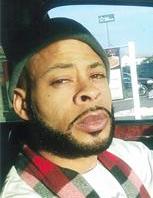
In the turbulent autumn of 2014 in Flint, Michigan, a city grappling with economic hardship and the early, unnerving signs of a water crisis, the life of Calvin Walker, a 41-year-old man known to friends and family as "Cocky," came to an abrupt and violent end. He passed away on Sunday, September 28, 2014, at Hurley Medical Center, leaving behind a grieving family and a community too accustomed to such tragedies. His death, officially recorded as a homicide, added another name to the city's long list of unsolved cases, a stark reminder of the challenges facing a police force stretched thin in a city with one of the highest crime rates in the nation.

The exact narrative of Calvin Walker’s final hours remains shrouded in the fog of time and the scarcity of public information. What is known is that his death was the result of gun violence, an all-too-common occurrence on the streets of Flint. His obituary, published in the Flint Journal, announced his passing and the details of his funeral, a gathering of loved ones at the Antioch Missionary Baptist Church on a Saturday in early October. Yet, beyond these sparse details, the public record falls silent on the specific circumstances that led to his death. There are no readily available news reports to paint a picture of that fateful day, to describe the scene of the crime, or to name the party store where his life was tragically cut short.

In 2014, Flint was a city on the brink. Just months before Walker’s death, the city had switched its water source to the Flint River in a cost-saving measure, a decision that would soon unfold into a full-blown public health crisis, revealing lead-contaminated water and a profound breach of public trust. The city was under the control of a state-appointed emergency manager, a symptom of its deep financial distress. The Flint Police Department was severely understaffed, a consequence of budget cuts that had slashed the number of officers, leading to delayed response times and a growing number of unsolved crimes. This was the backdrop against which Calvin Walker’s life was taken, a single tragedy in a city beset by systemic challenges.

The investigation into Calvin Walker's murder has left a cold trail. There have been no public announcements of arrests or the identification of any suspects. The case, like so many others in Flint from that era, has been absorbed into the city's somber history of violence. The silence surrounding the investigation speaks volumes about the immense caseloads and limited resources the Flint Police Department contended with. For Walker's family, the lack of answers has meant a prolonged and painful wait for justice, a closure that has remained elusive for over a decade.

Today, the case of Calvin Walker's death is a poignant and unresolved chapter in the story of a city that has endured more than its share of hardship. His name is a reminder of the human cost of violence and the systemic issues that can plague a community. While his family remembers the man they knew and loved as "Cocky," the city of Flint is left with the lingering question of who was responsible for his death and whether justice will ever be served. The narrative of his final day remains largely unwritten, a story waiting for its missing pages to be found.