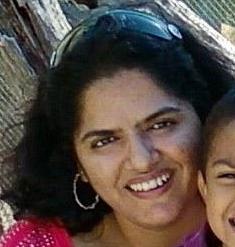
Ada Marie Drywater was a vibrant and outgoing 26-year-old White woman who loved life, enjoyed shopping, and most of all, cherished the time she spent with her two young daughters, Destiny and Adriana. Born on May 29, 1988, in Muskogee, Oklahoma, to Michael and Angela Drywater, Ada was a beloved mother, daughter, sister, and friend. Those who knew her were left with wonderful memories, and her sudden death left a profound void in the lives of all who loved her.
In the fall of 2014, Ada was navigating a difficult period in her life. She was having marital problems with her estranged husband, Larry Douglas, and had moved into an apartment with her friend and co-worker, 37-year-old Jennifer Lynn Sudar. The two women had become close friends and were often seen together, sometimes visiting a local casino to relax. Their friendship, however, would be tragically cut short on the morning before Thanksgiving.
On November 26, 2014, at approximately 9:30 a.m., the calm of the Bristol Park Apartments in east Tulsa was shattered by the sound of gunfire. A 911 call reported that two people had been shot outside the complex near 44th and Garnett. When Tulsa Police Department officers arrived, they found a grim scene. Ada Marie Drywater was on the ground, having been shot multiple times; she was pronounced dead at the scene. Jennifer Sudar was found gravely wounded in the driver's seat of a car with a shattered back window. She was rushed to a nearby hospital but succumbed to her injuries.
Witnesses reported seeing a tall Black man fleeing the scene in a distinctive gold 2006 Pontiac Grand Prix with Oklahoma license plate 231GDS. Investigators quickly determined the car had been reported stolen the previous day. The nature of the attack, with nothing taken from the victims, suggested the women may have known their killer. The investigation initially looked at Ada's estranged husband, Larry Douglas, with whom she was in a custody dispute and against whom she had previously filed for a protective order. However, phone records placed him in Oklahoma City, nearly 100 miles away, at the time of the murders, and there was no direct evidence to link him to the crime.
A significant break in the case came two weeks later when police located the stolen Pontiac Grand Prix not far from the crime scene. The car had been partially burned on the inside in an attempt to destroy evidence. Despite the damage, investigators were able to recover crucial items, including a coffee cup and several cigarette butts. DNA collected from the cigarette butts was matched to a 25-year-old man named Quantell Jamar Alverson. Combined with eyewitness testimony and cell phone tower records placing him in the area, this evidence made Alverson the primary suspect.
In April 2016, Quantell Jamar Alverson went on trial for the murders. Prosecutors presented the powerful combination of DNA evidence, surveillance footage, and witness accounts that tied him to the brutal slayings. The jury deliberated for just over four hours before finding him guilty on two counts of first-degree murder. They recommended two sentences of life in prison without the possibility of parole. On May 2, 2016, a judge formally sentenced Alverson to the two consecutive life terms.
Although Alverson was convicted, prosecutors and family members expressed a firm belief that the killings were a murder-for-hire, suggesting that others were involved who had not been brought to justice. Despite suspicions, investigators were unable to gather enough evidence to charge Ada's estranged husband, Larry Douglas, or anyone else in connection with the plot.
The case was officially closed with the conviction of the man who pulled the trigger. In July 2017, the Oklahoma Court of Criminal Appeals upheld Alverson's conviction and life-without-parole sentences. For the families of Ada Drywater and Jennifer Sudar, the legal proceedings brought a measure of justice, but the pain of their loss endures. Ada is remembered not for the violence of her death, but for the love she had for her daughters and the joy she brought to her family.