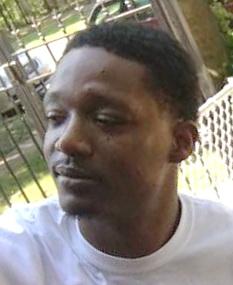
Shaquille Rush, a bright and spirited 20-year-old African-American man, was remembered by his mother for his ever-present smile and his ability to make people laugh. Known as a family man, he lived in Chicago’s Auburn Gresham neighborhood and loved spending time with his two brothers and sister. His mother, Dorothy Rush, described their family as a close-knit unit. Shaquille had a creative side, enjoying rapping and often writing lyrics and mixing beats on his computer, sometimes collaborating with his uncle. He had attended Paul Robeson High School in Englewood and, though he hadn't graduated, he had plans for his future. He intended to earn his GED and enroll in Kennedy-King College. Tragically, he left behind an infant son, who celebrated his first birthday just months after his father's death.
On the night of Thursday, February 2, 2012, Shaquille was out in the Washington Park neighborhood, a departure from his usual habit of staying close to home. His mother said he was at a party that evening. Around 10:30 p.m., gunfire erupted in the 5900 block of South Calumet Avenue. Shaquille was struck by the bullets and fatally wounded. The Cook County Medical Examiner’s Office later confirmed he died from the gunshot wounds. His death was a devastating blow to a family that had already been touched by gun violence; his father, Luther Rush, was also shot and killed years earlier, in 1998.
The Chicago Police Department responded to the scene and opened a homicide investigation into Shaquille’s murder. Detectives began the work of canvassing the area for witnesses and searching for any evidence that could lead to the person or people responsible for the shooting. At the time, the city of Chicago was experiencing a significant spike in gun violence, and many homicides were attributed to gang-related conflicts. However, details about the specific motive or circumstances leading to Shaquille's shooting were not immediately made public by authorities.
The investigation into who killed Shaquille Rush has remained open for years, leaving his family without answers or justice. No arrests have been announced, and no suspects have been publicly identified in connection with the crime. The case joined a long list of unsolved homicides in Chicago, a painful reality for countless families navigating a similar path of grief and uncertainty. The lack of resolution has compounded the family's pain, as they continue to mourn the loss of a young man who they say was outgoing and full of life.
His mother, Dorothy, has spoken about the profound and lasting impact of his death, noting that her other children constantly talk about their slain brother. “He was a very outgoing person, very spirited,” she recalled. “He always had a smile on his face, [he was] never mad and he always made people laugh.” Her words paint a picture of a cherished son and brother whose absence created a permanent void within their tight-knit family.
The case of Shaquille Rush’s murder remains unsolved. His family continues to hope that someone with information will come forward to help bring closure and accountability for his death. The Chicago Police Department continues to seek information from the public. Anyone with knowledge about the shooting that occurred on the 5900 block of South Calumet Avenue on the night of February 2, 2012, is urged to contact the Chicago Police Department or submit a tip through their anonymous tip line.