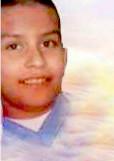
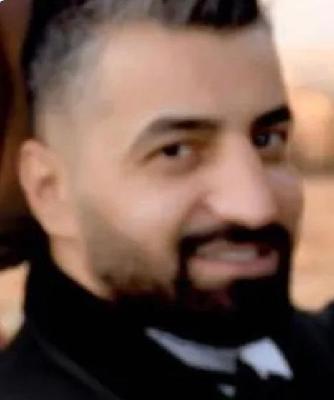
Two decades after his family had moved from the small West African nation of Gambia to the United States in search of a better life, Omar M. Kebbeh was shot and killed in Chicago, Illinois. The 22-year-old Black man was murdered on March 12, 2012, in the city’s Washington Park neighborhood on the South Side. His death marked a devastating turning point for a family that had sought safety and opportunity in America, only to be confronted by the city's relentless gun violence.
Before his life was cut short, Omar had been a student in Chicago's public schools. Records show that as a junior at South Shore High School, he was a member of the track team, competing in the 1600-meter run. He was one of six siblings who grew up in a devoutly Muslim household, navigating life in a new country. His family’s American dream was anchored in the hope that their children would have a future free from the hardships they had left behind.
The specific circumstances of Omar’s death are not widely known. He was fatally shot in the street in Washington Park, becoming the 68th homicide victim in Chicago in a year that would see a significant surge in violence. The Chicago Police Department handled the investigation, but the case yielded no arrests and gradually grew cold. For Omar’s family, the pain of his unsolved murder was only the beginning of an unimaginable ordeal.
Their grief was compounded just six months later by a second, shattering loss. On September 4, 2012, Omar’s 19-year-old brother, Muhammed Kebbeh, was killed in a drive-by shooting in the 8100 block of South Ingleside. Muhammed, a student at Kenwood Academy High School who loved basketball and soccer, was sitting with his girlfriend when masked gunmen opened fire. Family members had been deeply worried about his safety in the wake of Omar's death, fears that were tragically realized.
The loss of two sons in half a year left the Kebbeh family utterly broken and questioning the dream that had brought them to Chicago. Their oldest son, Momadu Kebbeh, then 36, voiced the family’s despair as they mourned. "I want to pack everything up and go back," he said. "What's the point of staying here?" The promise of America had been replaced by a nightmare, prompting them to consider returning to Gambia, a place they now felt might be safer than the streets of Chicago's South Side.
The Washington Park neighborhood, where Omar was killed, has long been a community grappling with high rates of poverty and violence. A historic area with a rich cultural legacy, it has also been an epicenter of the gun violence that has plagued Chicago for decades. The Kebbeh family’s story became a painful example of how immigrant families, seeking refuge and a fresh start, can become caught in these cycles of tragedy.
As of September 2012, Chicago police had made no arrests in connection with the murders of Omar or Muhammed Kebbeh. Both of their cases remain unsolved, leaving a family and community still waiting for answers and for justice. The deaths of the two brothers stand as a stark reminder of the human cost of the city's gun violence and the profound and lasting grief it inflicts on its victims.