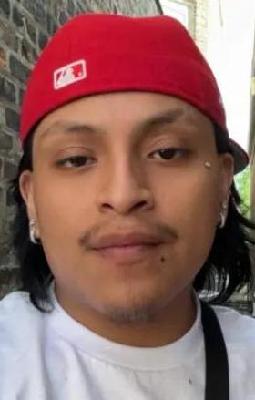
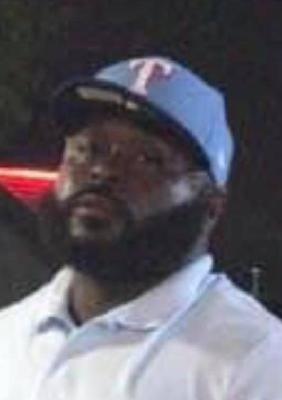
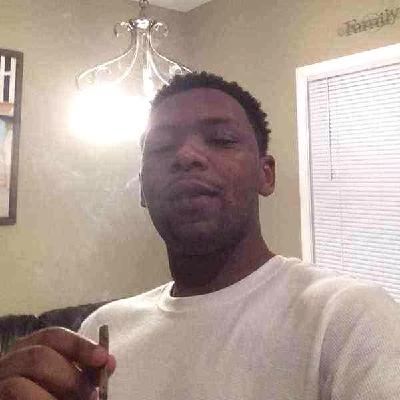
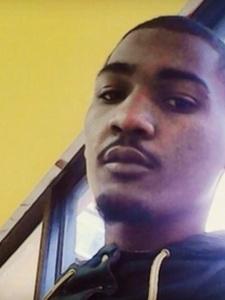
Marlon Maurice Monroe was working to build a new life for himself when he was shot and killed on April 28, 2012, in Chicago’s Woodlawn neighborhood. The 23-year-old Black man, who had recently earned his GED while incarcerated, was remembered by family as a gentle and kind-hearted person who was trying to steer his younger relatives away from the mistakes he had made. Born on March 13, 1989, to Ellawee Monroe and Ralph Arnold, Marlon grew up in Chicago, attended Englewood High School, and was a member of the Woodlawn Union Baptist Church, where he served on the junior usher board. Though he had a criminal history involving car theft, he was on parole and actively trying to change. He was pursuing a painter's license and hoped to one day become a carpenter, taking on maintenance jobs for his aunt’s properties.
On the afternoon of his death, Marlon was painting at his aunt's building in Woodlawn. Feeling thirsty, he took a break and walked down the block toward a convenience store. He never made it there. As he neared the corner, a gunman opened fire, spraying the area with bullets. Marlon was struck and stumbled into a patch of tall weeds in an empty lot adjacent to the shop. Chicago Police responded to reports of the shooting, but when they arrived, they did not see his body. According to his family, officers cleared the scene of shell casings and left. It was not until an hour or more later that Marlon’s body was discovered. A 16-year-old relative, rushing home to make his curfew, cut through the abandoned lot in the 6300 block of South St. Lawrence Avenue and found Marlon’s lifeless body.
Marlon’s family was devastated not only by his murder but by the circumstances of his discovery. "He lay in the lot for an hour because police didn’t see him," his cousin, Crystal Monroe-Turner, said. "It was just a mess." His aunt, Deborah Jackson, said he had been looking for a steady job and was determined to leave his past behind. "He said he was ready, he didn’t want to be in that situation no more," Jackson recalled. Family members insisted that Marlon was not in a gang. "He followed himself," Monroe-Turner said. He was focused on his future and on being a positive influence, especially for his younger brother.
The pain for the Monroe family was compounded just six months later when another grandson of Florine Monroe was killed. In October 2012, Marlon's 17-year-old cousin, Richard Modell, was shot and killed in the 6300 block of South Rhodes Avenue, just a short distance from where Marlon died. Police believed Richard may have been targeted in a conflict between rival gangs. "They've got to get these guns out of young people's hands," his grieving grandmother said after losing a second grandchild to gun violence in the same year. The family, who had lived in the neighborhood for over 30 years, noted that the area had become increasingly dangerous.
Marlon Monroe was laid to rest on May 11, 2012, following services at the Golden Gate Funeral Home. He was buried at Mount Hope Cemetery. He left behind his parents, his brothers Johnny and Matthew, his sisters Dasheika and Breana, his grandparents, and many other relatives and friends who cherished his memory.
The investigation into Marlon Monroe’s homicide has yielded no arrests, and the case remains unsolved. His death was one of hundreds in Chicago in 2012, a year marked by a significant increase in gun violence across the city. The circumstances of his murder, particularly the initial failure of police to find his body at the scene, left his family with unanswered questions and profound grief. As of the latest available information, no suspects or persons of interest have been publicly identified by law enforcement.