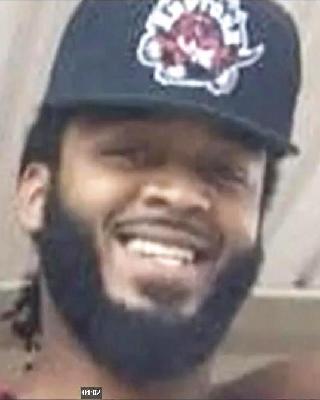
In Seattle’s Central District, D’Vonne Pickett Jr. was a beloved community leader, husband, and father of three. The 31-year-old Black man was a former Seattle University basketball player who, with his wife KeAnna, opened a shipping and mail services store called The Postman in 2018. The business, which honored his great-grandfather’s legacy as a postal worker, quickly became a source of neighborhood pride. Pickett was also a youth sports coach, known for his passion for uplifting his community and mentoring the next generation.
On the evening of October 19, 2022, Pickett and his wife had just arrived at their store near the intersection of East Union Street and Martin Luther King Jr. Way. As Pickett walked toward the front entrance, a masked gunman emerged from behind some bushes and opened fire. His wife witnessed the attack and called 911. Medics transported Pickett to Harborview Medical Center, where he died from multiple gunshot wounds.
The investigation quickly led police to a suspect: Ashton Christopher Lefall, 31, a childhood friend of Pickett. Pickett’s wife told detectives that Lefall had been harassing and threatening their family for two years, and records showed Pickett had filed a police report about the harassment just a month before he was killed. The day after the shooting, police and SWAT arrested Lefall at a South Seattle apartment. He was wearing clothing that matched surveillance footage of the shooter.
Investigators soon linked Lefall to a wider, three-day string of violent crimes. These included the robbery and shooting of another business owner, shooting a driver in the leg, and shooting at a car carrying a mother and her children. On the day of Pickett’s murder, one of Lefall’s relatives had called 911 to report concerns that he was having a "psychotic episode" and might be "travelling around Seattle shooting people."
Lefall was charged with first-degree murder for the death of D’Vonne Pickett Jr., along with three counts of first-degree assault, one count of first-degree robbery, and unlawful possession of a firearm. A judge ordered him held without bail, calling him "incredibly dangerous."
As the case proceeded, Lefall’s mental fitness to stand trial became a central issue. A competency trial was held to resolve the matter. Defense attorneys argued that Lefall suffered from undiagnosed schizophrenia, claiming he believed his lawyers were "God's robots." The prosecution contended that he was faking his symptoms to avoid trial, citing phone calls Lefall made after his arrest in which he said he planned to tell evaluators that judges and prosecutors "don't exist." As of May 2024, the court was awaiting a final decision on whether Ashton Lefall was competent to stand trial.