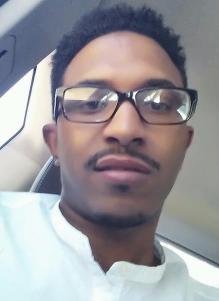
Joseph J. Coleman, an 18-year-old African-American musician known to fans as the aspiring rapper “Lil JoJo,” was a rising figure in Chicago’s burgeoning drill music scene. Raised by his mother, Robin Russell, in the city’s Englewood neighborhood, he was the half-brother of fellow rapper Swagg Dinero. Coleman was affiliated with the Gangster Disciples street gang faction known as Brick Squad. He had recently been in discussions for a record deal and dreamed of earning enough money to move his family to a safer place. His music, however, placed him at the center of a bitter and public rivalry that reflected the violent realities of the city's streets.
The conflict escalated through a series of diss tracks and social media taunts primarily aimed at members of the rival Black Disciples gang, particularly the rappers Chief Keef, Lil Reese, and Lil Durk. Shortly before his death, Coleman released a song and video titled “3HunnaK,” a term meaning “Black Disciple Killer,” which directly targeted his rivals. The feud played out in real-time online, with videos posted showing heated street confrontations. In one video, Lil Reese was allegedly recorded telling Coleman, "I'ma kill you." On the afternoon of September 4, 2012, Coleman tweeted his location, writing "Im on #069 Im Out Here," referring to a block in Englewood.
That evening, around 7:30 p.m., Coleman was riding on the back pegs of a friend’s bicycle in the 6900 block of South Princeton Avenue. Witnesses reported that a tan, older model, four-door Ford Taurus pulled alongside them, and an occupant opened fire. Coleman was struck at least once in the back. He attempted to flee but collapsed on a nearby lawn. He was rushed to a local hospital, where he was pronounced dead. The official cause of death was a fatal gunshot wound.
The Chicago Police Department launched an investigation, exploring the well-documented gang feud and its connection to the local rap scene. Detectives looked into the possibility that Chief Keef or his associates were involved, particularly after a tweet mocking Coleman’s death appeared on Keef’s Twitter account just hours after the murder. The post read, "Its Sad Cuz Dat N----a JoJo Wanted To Be Jus Like Us #LMAO." Chief Keef, who was 17 at the time, later claimed his account had been hacked and publicly offered his condolences to Coleman's family. Despite the public accusations and online threats, police found no direct evidence to charge any of the rival rappers.
In the years since the shooting, the case has grown cold. No arrests have ever been made, and no suspects have been officially named, leaving the homicide unsolved. Coleman's mother, Robin Russell, has publicly stated her belief that her son was killed because of the rap rivalry and that Chief Keef paid someone to carry out the murder, a claim that has never been substantiated with charges. The violence connected to the feud did not end with Coleman's death; a few months later, 18-year-old Joshua "JayLoud" Davis was shot and killed, allegedly for wearing a hooded sweatshirt that memorialized "JoJo World."
Joseph Coleman was buried at Mount Hope Cemetery after a tense funeral service that drew a large crowd of mourners and gang members, nearly causing the casket to be tipped over. His death became a high-profile example of the intersection between drill music, social media, and gang violence that plagued Chicago. The case highlighted the dangers faced by young artists navigating neighborhood allegiances and musical rivalries. More than a decade later, the investigation into Joseph "Lil JoJo" Coleman's murder remains open, and his family continues to wait for justice.