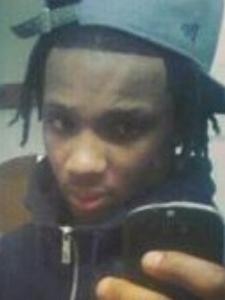
Darius K. Boyd, a 25-year-old African-American man, was fatally shot on a Sunday afternoon in Chicago, Illinois, on October 21, 2012. His death was part of a wave of violence that swept through the city that year, which ended with a grim tally of over 500 homicides, a significant increase from the year before and the highest total since 2008. The surge in killings brought national attention to Chicago's struggle with gun violence, a crisis that disproportionately affected young men in neighborhoods on the city's South and West Sides.
The shooting that claimed Boyd’s life happened in the Auburn Gresham neighborhood, a community of brick bungalows and residential streets on the South Side. At approximately 2:50 p.m., Boyd was on the 8400 block of South Kerfoot Avenue when a man walked up to him and opened fire. The sudden burst of violence left Boyd struck multiple times in the chest. First responders arrived at the scene to find him in critical condition. Paramedics worked quickly to transport him to Advocate Christ Medical Center in the nearby suburb of Oak Lawn. Despite their efforts and those of the hospital's trauma team, Darius Boyd was pronounced dead at 3:32 p.m.
The year 2012 was a particularly violent one for Chicago. The city's homicide total ultimately reached 506, a roughly 16 percent increase over 2011. This spike was largely attributed to gang-related conflicts and the accessibility of illegal firearms. Many of the victims were young, with data showing that nearly 75 percent were between the ages of 13 and 34. The violence was heavily concentrated in specific neighborhoods, and the majority of those killed were, like Boyd, shot within a short distance of their own homes. The crisis prompted extensive public debate and a range of responses from city officials, who struggled to contain the bloodshed.
In the wake of the shooting, the Chicago Police Department launched a homicide investigation. Detectives from Area Two began the difficult work of piecing together what had happened on South Kerfoot Avenue. They canvassed the neighborhood, searching for physical evidence and speaking with residents who might have witnessed the gunman's approach or escape. They also sought any available surveillance footage from nearby homes or businesses that might have captured an image of the assailant.
Despite these efforts, the investigation yielded few public leads. Authorities did not release a description of the shooter or speculate on a motive for the attack. As days turned into weeks and then years, no arrests were made in connection with Darius Boyd's murder. The case, like many others from that violent year, eventually went cold, leaving a painful absence of answers for those who knew and loved him.
Very little public information has ever surfaced about the personal life of Darius K. Boyd. A memorial page notes his full name as Darius Keane Boyd and confirms he was lost to gun violence on that October day. Beyond these spare details, no obituary, public family statements, or remembrances appear to have been published. This silence leaves a void where the story of a unique individual should be—his passions, his work, his relationships, and the impact he had on the people around him. His death is a stark entry in a tragic civic ledger, representing a life cut short and a family left to grieve in private.
More than a decade later, the murder of Darius K. Boyd remains unsolved. His case is one of hundreds of open homicide investigations from that era in Chicago, a painful reminder of the enduring consequences of gun violence. The Chicago Police Department continues to encourage anyone with information, no matter how insignificant it may seem, to come forward. Anonymous tips can be submitted to the CPD TIP hotline, with the hope that a new piece of information might finally bring a measure of justice for Darius Boyd and his family.