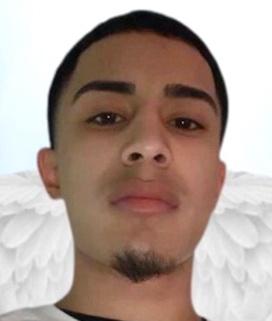
Jose Nunez was a caring brother and a passionate sports fan who was determined to finish school. His siblings remembered him as someone who loved playing hockey in the park and would never miss a Chicago White Sox game. Jose, a 23-year-old Hispanic man, was a beloved family member whose life was cut short by violence in the early hours of a winter morning.
On Saturday, January 25, 2014, tragedy struck in Chicago’s South Lawndale neighborhood, an area also known as Little Village. At approximately 2:55 a.m., officers from the Chicago Police Department responded to a call of a person shot in the 3800 block of West 26th Street. When they arrived, they discovered Jose unresponsive on the sidewalk. He had sustained a fatal gunshot wound underneath his chin. Paramedics pronounced Jose dead at the scene at 3:10 a.m. At the time of his death, he was a resident of the 1800 block of North Leavitt Street in the Bucktown neighborhood.
The shooting occurred on a commercial street lined with storefronts and restaurants, a typically busy thoroughfare that was quiet in the pre-dawn hours. The incident was part of a violent weekend in Chicago, during which at least two people were killed and several others were wounded in separate shootings across the city. The South Lawndale neighborhood, on the city's West Side, has historically contended with challenges related to street violence.
The investigation into Jose Nunez’s murder was handled by Area Central detectives. In the immediate aftermath of the shooting, police had not identified any suspects, and no one was taken into custody. The circumstances that led to the shooting remained unclear, and authorities did not release information about a possible motive. The case, like many others, faced the challenge of finding witnesses willing or able to come forward with information that could lead to an arrest.
In the days following his death, Jose's family mourned the loss of a young man they described as kind and full of life. His affinity for sports was a defining characteristic, a passion that brought joy to him and those who knew him. His commitment to his education at El Cuarto Año High School signaled a hope for the future that was tragically extinguished.
As of the latest available reports, the murder of Jose Nunez remains unsolved. No arrests have been made, and his case has grown cold over the years. His family has been left without answers and without justice for their loved one. Jose’s death is a painful reminder of the dozens of unsolved homicides in Chicago that leave a lasting void in families and communities. The investigation remains open, awaiting any new leads that might help detectives close the case and provide some measure of peace to his grieving family.