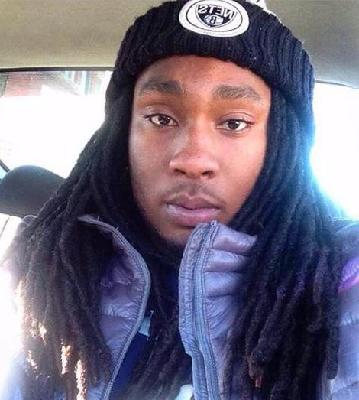
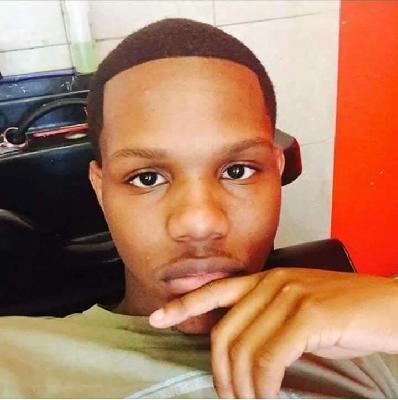
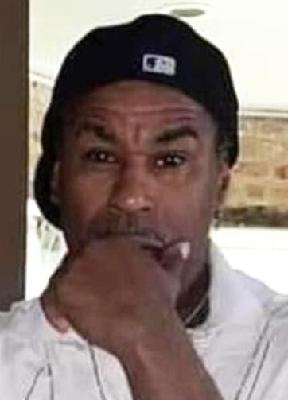
Marc A. Campbell, a 20-year-old Black man and aspiring rapper known as "Lil Marc," was on the verge of two major milestones in his life: a burgeoning music career and the birth of his first child. Raised in Chicago, Marc was known in the city's drill music scene, a genre known for its raw depictions of street life. To his family, he was more than an artist; he was a beloved young man with a future. He and his girlfriend, Jeanette, were excitedly preparing for the arrival of their son, who they planned to name Makai. Marc was reportedly thrilled about becoming a father, a dream that would be violently cut short just weeks before the baby was due.
On the afternoon of Friday, March 28, 2014, Marc was standing at a bus stop in broad daylight. At approximately 1:27 p.m., in the 300 block of East 51st Street in the Grand Boulevard neighborhood on Chicago's South Side, an unknown individual approached him. The person opened fire, striking Marc in the head before fleeing the scene. The attack was swift and brutal. Police arrived to find Marc unresponsive in front of a bus shelter with its glass shot out. He was officially pronounced dead at the scene at 1:45 p.m. by the Cook County Medical Examiner's office.
The investigation into Marc Campbell's murder was handled by Area Central detectives of the Chicago Police Department. Witnesses reported seeing the shooter fire multiple shots from a handgun that had an extended clip. The assailant was seen escaping in a silver or gray minivan, which some sources identified as a Toyota with Florida license plates. Several hours after the homicide, a vehicle matching that description was discovered abandoned and set on fire about five miles away, a common tactic used to destroy evidence.
In the days following the shooting, public speculation about the motive grew intense. Just two days before he was killed, Marc had released a music video for a "diss track" titled "No Competition." The song and video, filmed on rival gang territory, openly mocked deceased members of opposing factions. This led many to believe his murder was a direct act of retaliation for the provocations in his music. While the connection seemed plausible given the ongoing gang tensions in the city, police never officially confirmed that the diss track was the motive for his killing.
In the years since Marc Campbell’s death, his case has grown cold. No suspects have ever been publicly named, and no arrests have been made. His murder became another statistic in a violent weekend in Chicago, where one person was killed and at least 17 others were wounded in shootings across the city. His death is often cited as a cautionary tale about the dangerous intersection of drill music and real-world gang conflicts that have plagued Chicago's youth.
Marc's family was left to grieve a future that was stolen from them. His girlfriend held a baby shower shortly after his funeral, a bittersweet celebration of the new life he never had the chance to meet. Marc's son, Makai, was born into a world without his father. The case remains an open and unsolved homicide with the Chicago Police Department. The questions of who killed Marc Campbell and why he was targeted at a bus stop that Friday afternoon remain unanswered as of March 2024.