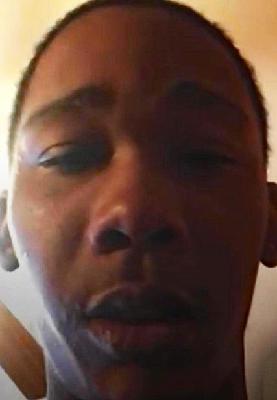
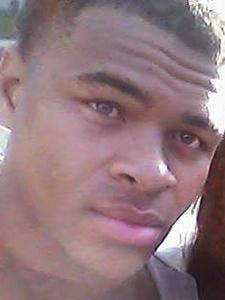
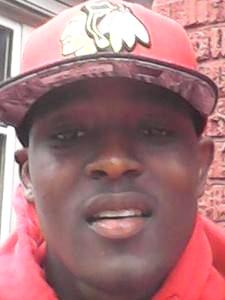
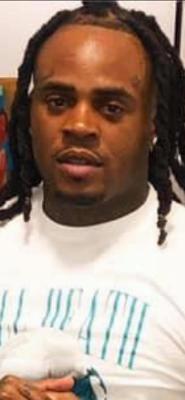
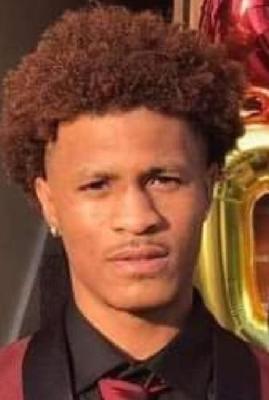
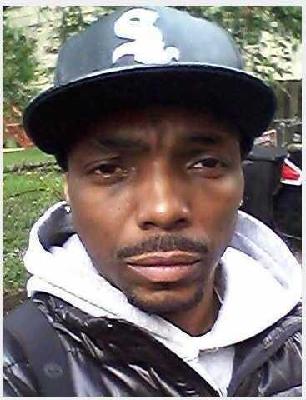
Gerald Bumper, a 19-year-old Black man, was shot and killed in Chicago, Illinois, on June 30, 2016. His death was part of a wave of violence that plagued the city’s Englewood neighborhood, orchestrated by a street gang known for its brutality and penchant for boasting about its crimes on social media.
The killing of Gerald Bumper was one of ten murders between 2014 and 2016 attributed to a gang faction known as the Goonie Boss or Goonie Gang. This group, though controlling only a few blocks of Englewood, engaged in a violent feud with rival gangs to acquire and protect their territory through intimidation and violence. According to federal prosecutors, the gang terrorized families in the area around 72nd and 73rd Streets near Hermitage, Paulina, Marshfield, and Ashland.
The investigation into the Goonie Gang, dubbed "Operation Lucky Seven," was a complex, multi-agency effort involving the Chicago Police Department and the FBI.
In October 2018, authorities announced a sweeping federal racketeering indictment against key members of the gang. The indictment charged the gang's leader, Romeo "O" or "O-dog" Blackman, along with Terrance Smith, Jolicious Turman, and Nathaniel McElroy, with racketeering conspiracy that included 10 murders, six attempted murders, and multiple assaults. Blackman alone was charged with participating in seven of the killings.
Prosecutors detailed how the Goonie Gang operated, using violence as a primary tool and then bragging about their exploits online through comments, photos, and Facebook Live videos. They even printed "Goonie Gang" T-shirts. The gang’s alleged crimes were not limited to shootings; they were also accused of stealing firearms, including a 2016 burglary of a gun store in Streator where they stole 20 firearms and brought them back to Englewood. Authorities said the gang’s purpose was "acquiring, preserving and protecting power, territory, operations and proceeds for the enterprise through the use of threats, intimidation and violence."
In the spring of 2023, the federal trial for the leaders of the Goonie Gang began at Chicago's federal courthouse amid heightened security. Prosecutors laid out the case against Romeo Blackman, Terrance Smith, and Jolicious Turman, presenting evidence from cooperating gang members and the defendants' own social media posts. The prosecution argued that some victims were killed simply for being in the wrong place at the wrong time, while others were targeted because they were believed to be police informants. Defense attorneys countered that the men were acting in self-defense in one of Chicago's most violent neighborhoods and that the government's case relied on weak evidence from unreliable witnesses who had made deals with prosecutors.
After 20 days of testimony, the jury began deliberations. The process was not smooth; one juror was dismissed after revealing she had lived near gang territory and witnessed shootings, facts not disclosed during jury selection. An alternate was seated, and at one point the jury sent a note to the judge stating they were unable to reach a verdict. After being instructed to continue deliberating, they returned a verdict four hours later.
On July 5, 2023, a federal jury found Romeo Blackman, Terrance Smith, and Jolicious Turman guilty in the racketeering conspiracy case. The verdict confirmed their complicity in the ten murders listed in the indictment, including the killing of Gerald Bumper. The conviction brought a measure of justice to the families of the victims and marked a significant victory for law enforcement in their efforts to dismantle violent street gangs. As of the conviction, Blackman and Smith faced mandatory life sentences, while Turman faced a minimum of 20 years in prison.