Crime Solvers Central
302 Cases Solved. Advancing justice for missing persons, unsolved homicides, unidentified and unclaimed remains.

Case Description

Any updates on this case? Let us know!
Summary based on 4 sources
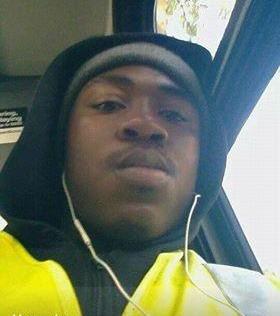
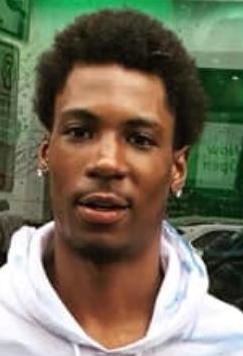
On a Wednesday afternoon in Chicago, Tramell J. Williams, a 26-year-old African-American man remembered by loved ones as funny and affectionate, was shot and killed in the city’s Sheridan Park neighborhood. His life was cut short on October 26, 2016, leaving behind unanswered questions and a grieving community. Though his home address was not publicly known at the time of his death, he was also known by the nickname "Mac Deuce."

The fatal incident unfolded around 3:40 p.m. in the Uptown community area. Chicago Police officers received a call of shots fired and responded to the 4400 block of North Racine Avenue, a residential street lined with brick apartment buildings. When they arrived, they discovered Tramell lying on the sidewalk. He had sustained multiple gunshot wounds to his torso and leg. Paramedics worked quickly to transport him to Advocate Illinois Masonic Medical Center, but his injuries proved catastrophic. He was pronounced dead at the hospital at 4:12 p.m., less than an hour after he was found.

The circumstances surrounding the shooting were not immediately clear, and police did not release details about a possible motive or any suspects. The investigation was handed over to Area North detectives, who began a homicide investigation. In the initial hours and days that followed, no one was taken into custody. The case joined a tragic and alarming surge of violence that plagued Chicago throughout 2016, a year that saw a dramatic increase in homicides across the city.

Tramell’s murder was part of a particularly violent month for the Uptown neighborhood, which experienced three homicides and several non-fatal shootings in October 2016 alone. The persistent gunfire left residents on edge and demanding action. At community meetings, frustrated neighbors complained about quality-of-life issues, such as open-air drug markets, and called for a greater police presence to ensure their safety. The violence prompted a response from local officials, including the 46th Ward alderman, James Cappleman.

At a community meeting following the string of shootings, Cappleman and police representatives addressed the residents' concerns. The alderman noted a troubling trend observed by police: "in the last two years, younger gang members no longer listen to the older gang members, and have become more prone to the use of violence for minor disagreements... Rather than shooting over the establishment of drug sale territories, today it's often about feeling slighted by another opposing gang member." This shift in gang dynamics was believed to be a contributing factor to the seemingly random and frequent acts of violence.

In response to the community's outcry, the alderman announced several initiatives aimed at quelling the bloodshed. These included the creation of a public safety task force involving local businesses, a commitment to work with city departments to hold businesses accountable for public safety, and a promise that the ward would receive seven new police officers from recent police academy graduation classes. These measures, however, came too late for Tramell and the other victims of that violent month.

Years have passed since Tramell Williams was killed, and the investigation into his murder has grown cold. No arrests have ever been announced, and no suspects have been publicly identified by the Chicago Police Department. His case remains open but unsolved, one of many that linger in a city that has long struggled with gun violence. For his family and friends, the lack of answers prolongs their grief, leaving them to wonder who was responsible and why his life was taken. His death stands as a painful reminder of the human cost of the violence that affects communities and the many families left searching for a justice that has not yet come.