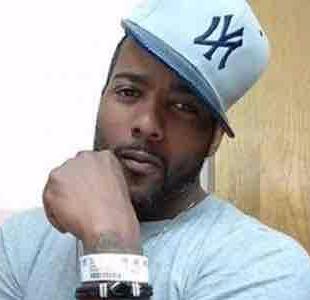
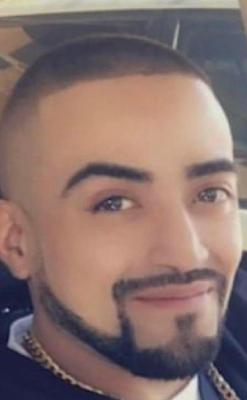
In the West Garfield Park neighborhood of Chicago, Rakmaan Rashad Randle was known to his family and friends. At 19 years old, the African-American teenager was navigating the transition into young adulthood in a city grappling with persistent violence. Though details of his personal life, his passions, and his dreams remain private, his sudden death left a permanent void in the lives of those who knew and loved him.
The afternoon of Monday, December 18, 2017, was a tragically violent one in Chicago, and it would be the last of Rakmaan’s life. At approximately 2:35 p.m., he was in the North Lawndale neighborhood on the city’s Southwest Side. He was found unresponsive inside a dark-colored vehicle parked on the 1300 block of South Spaulding Avenue, a residential street lined with brick apartment buildings and homes.
According to Chicago Police and the Cook County Medical Examiner's Office, Rakmaan had sustained multiple gunshot wounds to the left side of his body. First responders rushed him to Mount Sinai Hospital, less than a mile away, but his injuries were too severe. Less than 30 minutes after he was found, Rakmaan was pronounced dead. Witnesses reported that the gunshots may have come from someone inside a gray-colored car that was seen in the area. His death was one of two fatal shootings in the city that day, which also saw at least six other people wounded in separate incidents across various neighborhoods.
The investigation into Rakmaan's murder was handled by the Chicago Police Department. In the immediate aftermath, detectives canvassed the area for evidence, surveillance footage, and additional witnesses who might have seen the gray vehicle or the events leading up to the shooting. However, despite their efforts, public information regarding the investigation quickly grew cold. No suspects have ever been publicly identified, and no arrests have been made in connection with the homicide. The case, like many others, has been fraught with the challenges that often hinder violence investigations in the city.
Rakmaan’s death occurred during a year when Chicago, while seeing an overall decrease in homicides compared to the staggering numbers of 2016, was still in the throes of a severe gun violence epidemic. The violence disproportionately affected young men of color in neighborhoods on the city's South and West sides, communities often struggling with systemic issues like poverty, lack of resources, and gang activity. Each death represented not just a statistic, but a personal tragedy for a family and a community left to mourn and seek answers.
Years have passed since Rakmaan Randle was killed, and his case remains unsolved. For his family, the pain of his loss is compounded by the absence of justice. The investigation remains open but inactive, waiting for a new lead or for someone with information to come forward. As of November 2026, there have been no updates on the case, and no reward has been publicly offered for information. The Chicago Police Department continues to hold the case file, a quiet reminder of a young life cut short and a family still waiting for answers.