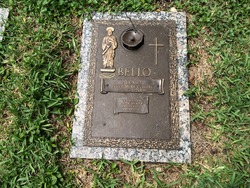
Darrell Harrell, a 45-year-old man, was a resident of Miami who took a principled stand for the safety and well-being of his neighborhood. He was remembered as a man of courage who was unwilling to stand by while criminal activity took root in his community. This resolve to improve his surroundings ultimately cost him his life, but his actions left a lasting impression on the investigators who would later work to solve his murder.
On December 16, 2008, Darrell Harrell was shot and killed in Miami’s historic Overtown neighborhood. According to law enforcement, Harrell had been actively and openly trying to push a group of drug dealers out of the area. His efforts to reclaim the community from this criminal element made him a target. In a fatal act of retaliation, he was gunned down, his life taken for his refusal to remain silent in the face of wrongdoing. His death sent a chilling message and highlighted the extreme dangers faced by ordinary citizens who directly confront organized crime.
The Miami Police Department’s homicide unit launched an immediate and intensive investigation into the killing. The case was assigned to Sergeant Altarr Williams and Detective Frankie Sanchez, seasoned investigators tasked with navigating a complex and often perilous environment. The initial, most critical hours of their investigation were documented and later broadcast on the A&E television series "The First 48," in an episode titled "No Escape; Trail of Evidence," which aired in July 2010. The show gave the public a glimpse into the immense challenges the detectives faced from the very beginning.
Investigators arrived on the scene to find a community gripped by fear. A pervasive code of silence, common in areas where witness intimidation is a constant threat, created a formidable barrier to justice. Despite canvassing the neighborhood and appealing to potential witnesses, detectives struggled to find anyone willing to come forward with information. This reluctance to cooperate, born out of a legitimate fear of reprisal from the same people who had murdered Harrell, severely hampered the investigation's progress.
As the "The First 48" episode depicted, the detectives worked tirelessly to uncover leads. They processed the crime scene for forensic evidence and pursued every possible angle, but without eyewitness testimony, identifying a suspect proved incredibly difficult. The trail grew colder with each passing day. Months went by without a significant breakthrough, and despite the team's dedication to keeping the case alive, it eventually stalled. The leads dried up, and Harrell’s murder became another one of Miami's unsolved homicides.
To this day, the murder of Darrell Harrell remains an open case with the Miami Police Department. No arrests have ever been made, and no suspects have been publicly identified. The individuals responsible for killing a man who only wanted a safer neighborhood for himself and his neighbors have never been held accountable. The case stands as a somber testament to the courage of one man and the devastating impact of witness intimidation on the justice system. As of late 2024, investigators are still hoping that someone with information will finally break the silence and come forward to help them close a case that has remained cold for over a decade.