Crime Solvers Central
302 Cases Solved. Advancing justice for missing persons, unsolved homicides, unidentified and unclaimed remains.

Case Description

Any updates on this case? Let us know!
Summary based on 13 sources
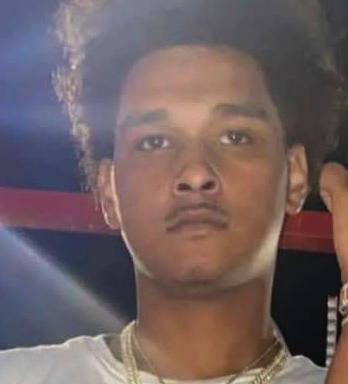
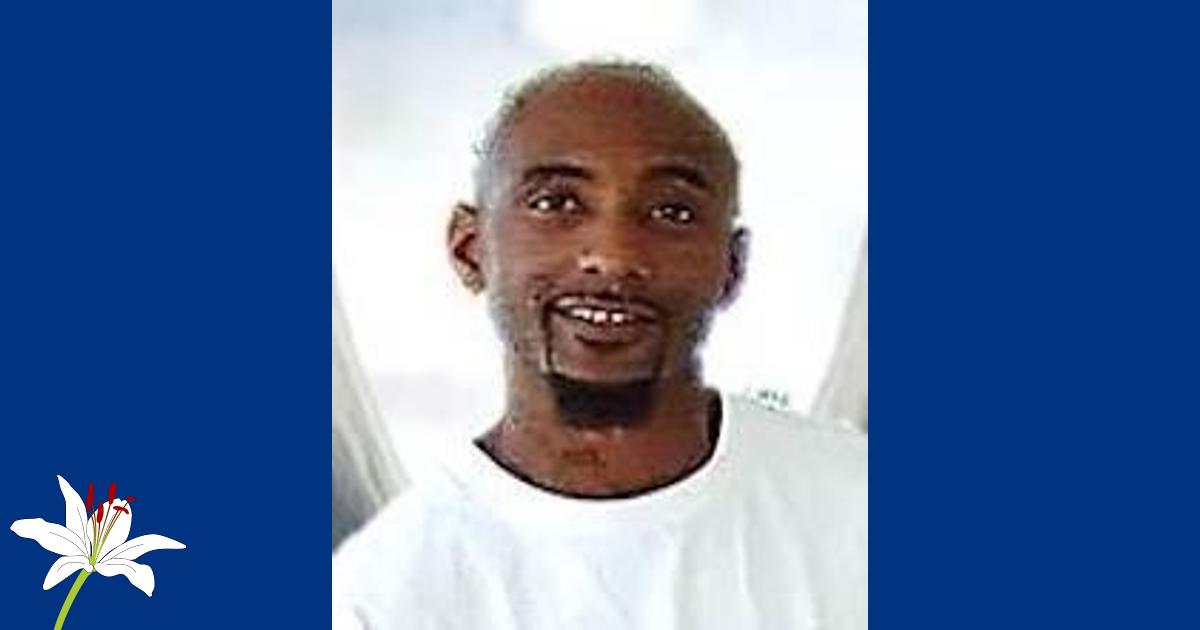
In the heat of a Nebraska summer, the life of Randell Busch, a 27-year-old African American man, was cut short by a burst of gunfire on July 26, 2015. The evening was descending on the streets of northeast Omaha, a community that, like many urban areas, was no stranger to the sudden violence that can erupt and shatter a quiet night. That evening, in the backyard of a house near 30th and Laurel Avenue, Busch was with a group of people when the fatal shots were fired, marking another chapter in the city's ongoing struggle with street violence.

The immediate aftermath was a scene of confusion and rapid response. Omaha police officers were dispatched to the residence following reports of a shooting. Upon arrival, they found a chaotic situation with one person already deceased and Randell Busch critically wounded. He was rushed to the Nebraska Medical Center, where medical personnel fought to save his life. For three weeks, he clung to life, a testament to his will to survive and the efforts of those who cared for him. However, the damage was too severe, and on August 19, 2015, he succumbed to his injuries.

The investigation into Busch's death was handled by the Omaha Police Department's homicide unit. From the outset, detectives were confronted with the complexities that often accompany such cases. Authorities would later state that the shooting was not a random act of violence but was instead rooted in the grim realities of gang conflict. They identified Busch as a member of the Bloods street gang and classified his death as a "gang retaliation." This determination cast a long shadow over the investigation, suggesting a cycle of violence that was likely to continue.

True to the fears of law enforcement, the violence did not end with Randell Busch's death. His murder became the catalyst for a series of retaliatory acts that further stained the streets of Omaha with blood. In the days and weeks that followed, two more lives were lost in what police described as a direct response to Busch's killing. The first was the shooting of 24-year-old Deprecia Neelon on August 6, 2015, followed by the murder of 19-year-old Garion Johnson just two days later. The Omaha police had considered Johnson a suspect in Busch’s death. This grim succession of events highlighted the destructive and self-perpetuating nature of gang warfare.

While the murders of Neelon and Johnson eventually led to arrests and convictions, with Preston Pope and Marcus Short being held responsible for their deaths, the case of who killed Randell Busch remains officially unsolved. The investigation into his death has been hampered by a lack of cooperating witnesses and the code of silence that often pervades gang-related crimes. For years, his death has been a cold case, a source of unanswered questions for his family and a stark reminder of the challenges that law enforcement faces in bringing perpetrators of such violence to justice.

In a year when Omaha saw a significant increase in homicides, the death of Randell Busch was one of many that contributed to the city's rising crime statistics. The year 2015 was a particularly violent one for the city, with the homicide rate far exceeding the national average. Each of these deaths left behind a grieving family and a community searching for answers and an end to the violence. The story of Randell Busch's death is not just the tale of one man's tragic end, but a reflection of a larger, ongoing struggle against the forces that fuel such violence in communities across the country. His case, though cold, remains a priority for the Omaha Police Department, a puzzle waiting for the right piece of information to finally bring it to a close.