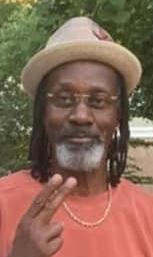
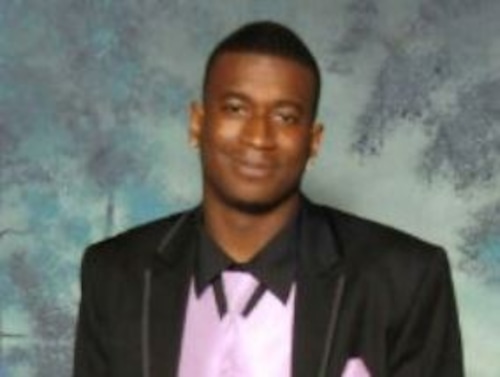
In the autumn of 2020, as the city of Birmingham, Alabama, navigated a year of unprecedented challenges, the life of Ricky Ray Carlisle, a 57-year-old Black man, came to an abrupt and violent end. On Saturday, November 7, 2020, Carlisle became a victim of a death by force, a stark statistic in a year that saw its share of violence in the city. Yet, the specific details of that fatal day remain shrouded in a frustrating silence, his story largely untold in the public record.
No news reports immediately followed the events of that November day to shed light on where in Birmingham Ricky Ray Carlisle spent his final moments, or the circumstances that led to his death. The public was not given a glimpse into the scene, nor were they introduced to the investigators tasked with unraveling the case. The narrative of that day—the hours leading up to the incident, the people he may have been with, the events that transpired—is missing, leaving only the stark fact of his death.
In the days that followed, an obituary for a Rickey Ray Carlisle was published, offering a brief glimpse into the life that was lost. The notice announced a viewing and a funeral service to be held at a local chapel, small gatherings under the weight of a great loss. Friends and family were left to mourn a man they knew, while the city at large remained mostly unaware of the violent act that had taken him. His name, for the most part, did not feature in the headlines that chronicled the city’s struggles with crime.
The investigation into Ricky Ray Carlisle's death is, from all available public information, a story without a chapter on resolution. There have been no announced suspects, no persons of interest, and no arrests made in connection with the case. The silence that surrounds the investigation is as profound as the absence of initial reporting. For the family and friends of Carlisle, the lack of answers undoubtedly compounds their grief, a heavy burden to carry in the years that have passed.
The case of Ricky Ray Carlisle is one of many that remain unresolved in Birmingham, a city that, like many urban centers, grapples with a significant number of cold cases. His death is a somber reminder of the individuals behind the statistics, each with a life lived and a story that deserves to be told in its entirety. As it stands, the narrative of Ricky Ray Carlisle’s final day is a collection of unanswered questions, a story of a life taken, with the final chapter on justice yet to be written.