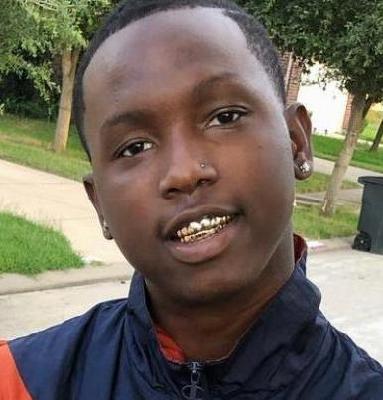
On a winter day in Houston, Texas, the life of 24-year-old Pablo Muniz, a young Hispanic man, was tragically cut short. His death on January 20, 2009, became a case for the Houston Police Department, one of thousands of homicides the city’s investigators would handle over the years. Public records and news reports have remained silent on the specific details of Pablo's life—the work he did, the family who loved him, and the dreams he held. His story is one of the many that fade from public view, leaving behind only the stark facts of a life ended too soon.
The circumstances of what happened to Pablo Muniz on that Tuesday in 2009 are not publicly known. The location, the motive, and the events that led to his death have not been detailed in accessible records. For his family, the lack of public information does not diminish the immense pain of their loss. His absence created a void that day, and the quest for answers is a journey many families of homicide victims are forced to endure. In a city as sprawling as Houston, a major metropolitan area with a population of over two million people, individual cases can become lost in the sheer volume of crime. In 2009 alone, the city grappled with hundreds of homicides, each representing a unique tragedy and a complex investigation.
The investigation into Pablo’s murder was handled by the Houston Police Department’s Homicide Division. Tasked with solving the city’s most violent crimes, detectives pursue leads, interview witnesses, and collect evidence. However, not all cases are solved quickly. When initial leads are exhausted and no new information comes to light, a case can go cold. These unsolved homicides are not forgotten but are often set aside as active investigations take priority. They become part of a somber archive, waiting for a new piece of evidence, a witness to come forward, or a technological advancement that can breathe new life into the inquiry.
For years, Pablo Muniz’s case was one of these lingering files. However, with the passage of time, forensic science has made remarkable leaps. DNA analysis, in particular, has become a powerful tool for law enforcement, allowing cold case squads to re-examine evidence collected years or even decades earlier. A tiny speck of blood, a single hair, or skin cells left at a crime scene can now be used to generate a genetic profile and potentially identify a suspect. It is through such persistent and evolving police work that many long-unsolved cases find a resolution.
In a significant development, the case of Pablo Muniz is now officially considered solved. More than a decade after his death, advances in forensic investigation led to a breakthrough. In 2021, the Houston Police Department's Cold Case Squad was able to re-examine evidence from the 2009 crime scene. This renewed effort resulted in the identification of a suspect, Jorge Trevino Cardenas, through DNA evidence. At the time he was identified, Cardenas was already incarcerated for an unrelated crime.
Jorge Trevino Cardenas was subsequently charged with the murder of Pablo Muniz. In 2023, he faced trial for the crime. After hearing the evidence presented by the Harris County District Attorney's Office, a jury found Cardenas guilty. He was convicted and sentenced to life in prison, finally bringing a measure of justice to Pablo Muniz and his family. The resolution of this case stands as a testament to the dedication of investigators who continue to seek answers for victims, no matter how much time has passed. While the court proceedings brought the legal chapter to a close, the memory of the young man lost in 2009 endures for those who knew and loved him.