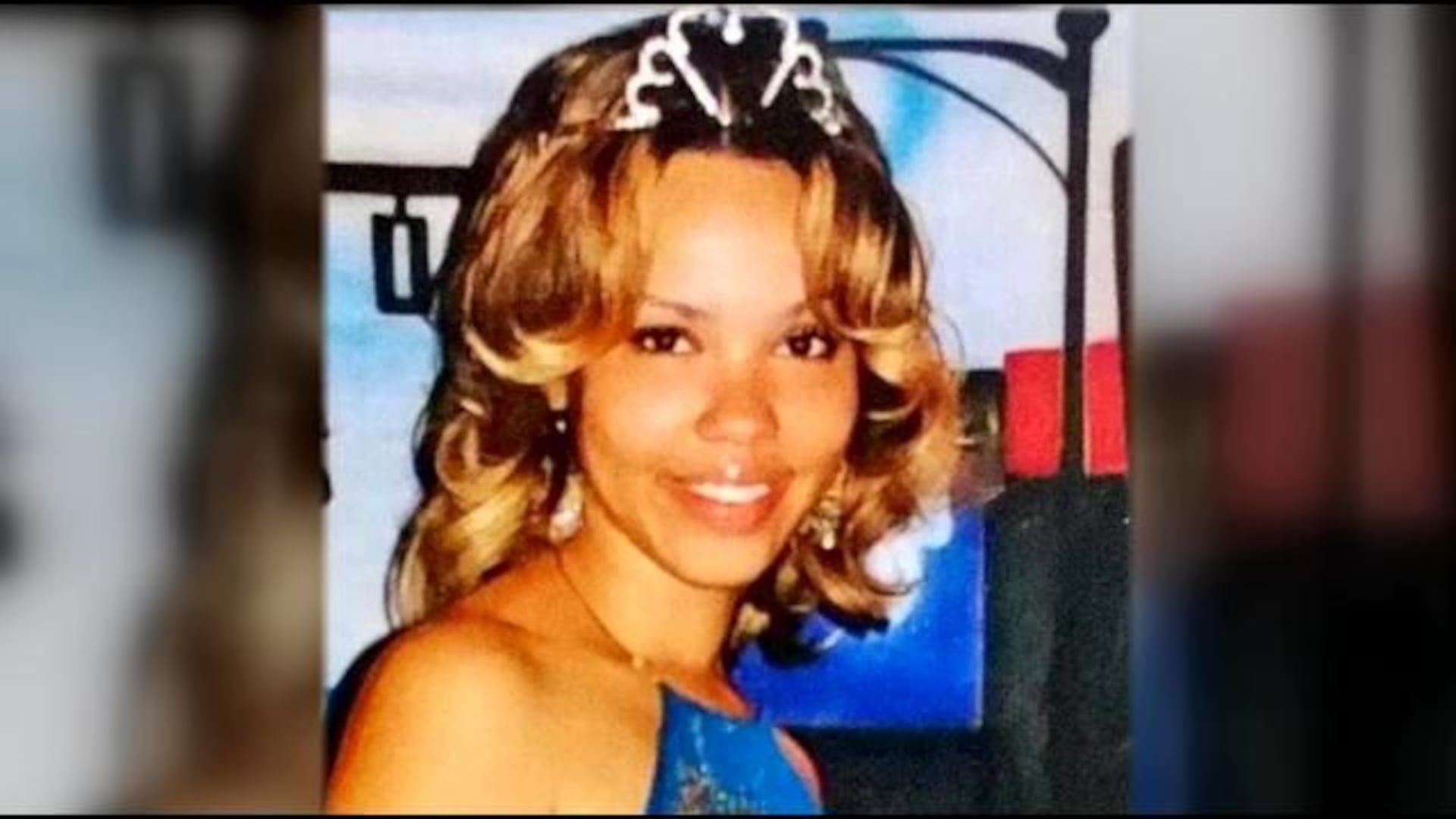
Tilessa Monette Cain, a 53-year-old Black woman and lifelong resident of Memphis, Tennessee, is remembered as a cherished family member whose life was stolen in a sudden and brutal ambush. While public records sometimes vary on the spelling of her first name, her formal obituary confirms it as Telissia. Her death left a permanent void in the hearts of those who knew and loved her, a loss made more painful by the years of unanswered questions that have followed.
The attack occurred on the evening of Tuesday, October 11, 2016. Tilessa was driving her car through the historic Orange Mound neighborhood in southeast Memphis when her journey was violently interrupted. According to reports from the scene, another vehicle intentionally cornered her car, blocking her path. An individual then exited the other vehicle and opened fire directly at Tilessa. Struck by the gunfire, she was critically wounded. Her car, now without a driver, continued to roll forward a short distance before coming to a final stop. The brazen nature of the attack, a targeted ambush on a public street, sent a shockwave through the community.
When first responders arrived at the scene, they found Tilessa suffering from grave gunshot wounds. She was immediately transported to a nearby hospital, where medical staff fought to save her life. Despite their efforts, her injuries proved to be too severe. On October 12, 2016, the day after the shooting, Tilessa Cain succumbed to her injuries. Her death was officially ruled a homicide, adding her name to a growing list of victims in a city grappling with a rise in violent crime that year.
The shooting took place in Orange Mound, a community with a deep and significant history. Established in the 1890s, it holds the distinction of being one of the first neighborhoods in the United States built by and for African Americans. This rich cultural heritage has been a source of pride for generations of residents. However, in more recent decades, the community has also been forced to contend with the persistent challenges of poverty and violent crime, struggles that have brought tragedy to many families like Tilessa’s.
The Memphis Police Department launched a homicide investigation in the wake of the deadly shooting. Detectives processed the crime scene, collecting evidence and canvassing the area for potential witnesses who might have seen the suspect or the vehicle involved in the ambush. Investigators worked to piece together the events that led to the attack, searching for a motive and a suspect. Despite their initial efforts, the case did not yield any immediate arrests, and no person of interest was publicly identified.
In the years that have passed since Tilessa’s murder, her case has grown cold. Publicly available information and cold case databases managed by law enforcement agencies indicate that no arrests have ever been announced in connection with her death. For her family, the profound grief of her loss has been compounded by the agonizing lack of justice and closure. A brief obituary published in The Commercial Appeal on October 20, 2016, announced that funeral services would be held at the N.J. Ford and Sons Funeral Home, a long-standing institution in the Memphis community.
As of late 2024, the murder of Tilessa Cain officially remains an open and unsolved case with the Memphis Police Department. The fundamental questions of who targeted her and the reasons behind the fatal attack remain unanswered. Without new information from a witness or a breakthrough in the investigation, the path to holding her killer or killers accountable is unclear. Her case stands as a painful and unresolved chapter for her loved ones and a somber reminder of a life cut short by violence.