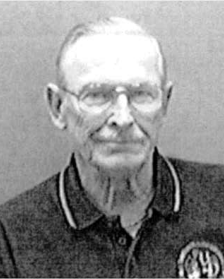
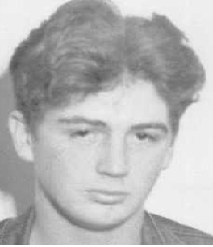
For more than five decades, the death of Andrew Heindreich has remained a painful, unanswered question in Dayton, Ohio. On Tuesday, March 27, 1973, Andrew, a Caucasian male, was killed in the city. The incident was classified as a homicide, but the specific circumstances surrounding his death, the exact location, and the motive behind the act have been lost to the passage of time, leaving a void of information for any family or friends who mourned him. His case, now cold, is a stark reminder of the enduring nature of violent crime and the long shadow it casts.
The year 1973 was a period of transition for Dayton. The city, like many industrial hubs in the Midwest, was navigating economic shifts while its communities dealt with the social changes of the era. The Dayton Police Department, the agency that first handled Andrew’s case, has a long history in the city, having been formally established and re-established in the 19th century. By the 1970s, the department was a modern force facing the challenges of policing a major metropolitan area. In the year Andrew was killed, the department would have responded to the scene, interviewed potential witnesses, and collected what evidence they could from the location of the crime.
Despite the initial investigation, no viable leads were developed that could lead to an arrest. The case files grew thicker with time, but the central questions remained: Who killed Andrew Heindreich and why? Without suspects or a clear motive, the investigation stalled. For years, and then decades, Andrew’s case number, 520, sat in the records of the Dayton Police Department, one of many unsolved homicides that haunt the city’s past and the detectives who inherit them. The lack of public information about Andrew himself makes the case even more enigmatic; no news reports or public records tell the story of his life, his work, his family, or his passions.
Today, the investigation is officially listed as an unsolved homicide with the Ohio Attorney General's office. It is part of a statewide effort to bring fresh attention to cold cases, supported by the Ohio Bureau of Criminal Investigation (BCI). The BCI’s Cold Case Unit, established to provide new resources and advanced forensic techniques to local law enforcement, offers a glimmer of hope for cases like Andrew's. Investigators believe that even after so many years, new leads can emerge. Witnesses who may have been reluctant to speak in 1973 might now feel compelled to come forward, and advancements in forensic science, like DNA analysis, could potentially reveal clues from evidence that has been preserved for decades.
The path to justice for Andrew Heindreich is long and obscured by the years, but authorities believe it is not a dead end. The case rests on the hope that someone, somewhere, holds a piece of information that could finally provide a breakthrough. The Dayton Police Department and the Ohio Bureau of Criminal Investigation continue to seek any tips that could shed light on what happened on that late March day in 1973.
The memory of Andrew Heindreich has faded from public view, but his case remains open. The official record stands as a quiet testament to a life cut short and a crime that has gone unpunished for over half a century. Anyone with information regarding the homicide of Andrew Heindreich is encouraged to contact the Ohio Bureau of Criminal Investigation.