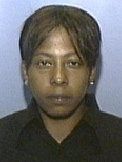
For more than four decades, the death of Mildred F. Crase has remained a painful open wound for her loved ones and a frustrating puzzle for law enforcement. On Monday, March 6, 1978, in Dayton, Ohio, a day that began like any other ended in a tragedy that has defied resolution for generations. The specific circumstances of what happened to Mildred on that late winter day have never been made public, leaving a void of information where answers should be. What is known is that she was found deceased in the Montgomery County city, the victim of a homicide.
Details about Mildred’s life—who she was, her family, her work, her passions—are not part of the public record. Her age at the time of her death remains unknown. This lack of personal information only adds to the mystery and sorrow surrounding her case, making it difficult to paint a full picture of the woman whose life was violently cut short. Without memories from family or friends in public view, Mildred exists primarily as a name in a grim catalog of unsolved crimes, a stark reminder of a life that ended far too soon and a case that has grown cold with the passage of time.
The investigation into Mildred Crase’s murder was initiated by the Dayton Police Department. In 1978, forensic science was a world away from the advanced techniques available to detectives today. Investigators at the time would have relied on traditional methods of evidence collection and witness interviews. Despite their efforts, no suspect was ever publicly identified, and no arrests were made. The trail of evidence, if any was found, eventually went cold, leaving the case to be filed away among the city's other unsolved homicides.
Decades later, Mildred’s case, number 464, is now listed in the Ohio Attorney General's Unsolved Homicides database. This statewide initiative, managed by the Ohio Bureau of Criminal Investigation (BCI), aims to bring fresh attention to cold cases like this one. By centralizing information and making it accessible, the BCI hopes that someone, somewhere, might finally come forward with a crucial piece of information. The BCI provides investigative resources and visibility to assist local agencies, recognizing that the passage of time can sometimes work in favor of an investigation as allegiances shift and consciences weigh heavy.
As of today, the investigation into the murder of Mildred Crase remains open but inactive, pending new leads. The Dayton Police Department and the Ohio BCI continue to ask for the public's help. They believe that even a small, seemingly insignificant detail could be the key to unlocking the case and finally providing a measure of justice for Mildred. The identity of her killer or killers, and the reason for her death, remain unanswered questions that have haunted the Dayton community for over 40 years.
Authorities urge anyone with additional information regarding this case to come forward. Tips can be submitted directly to the Dayton Police Department or through the Ohio Attorney General's office. For the family and friends who may still mourn Mildred, the hope for resolution, however distant, has not been entirely extinguished.