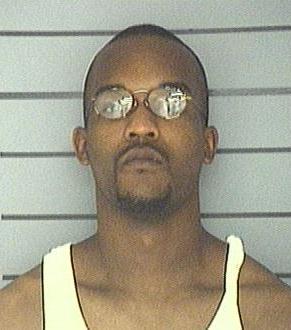
On a summer evening in Cincinnati, a single act of violence ended a life and created a mystery that has now endured for over three decades. Norman Watkins, a 42-year-old African-American man, was shot and killed on Saturday, June 6, 1992. The shooting occurred at 20 East 12th Street, an address in the city's historic Over-the-Rhine neighborhood, a community known for its distinctive 19th-century architecture and vibrant, complex history. In the early 1990s, the area faced significant social and economic challenges, and the violence that claimed Watkins's life added another layer to the city's struggles with crime during that era.
Details about Norman Watkins's personal life, his family, his work, and his passions remain elusive. No public records, such as an obituary or memorial pages, have surfaced to offer a glimpse into the man he was or the life he lived. He is remembered primarily through the stark and unresolved facts of his death, a file in the cold case archives of Ohio law enforcement. This lack of personal history leaves a void, making it difficult to understand the full measure of the loss felt by those who knew and loved him. His identity is largely confined to the official records of his unsolved murder.
The Cincinnati Police Department responded to the incident on that June night. Investigators learned that the person who shot Norman Watkins was a Black male. However, this limited description did not lead to an arrest, and the motive for the killing was never officially determined or publicly released. The investigation stalled, and with no new leads, the case grew cold. It is now listed as case number 805 in the Ohio Attorney General's database of unsolved homicides, a silent testament to a life cut short and a quest for justice that remains unfulfilled.
An unconfirmed but compelling detail emerged years later in a 2008 federal court document. The document, related to a drug trafficking case, mentions a confidential informant named Norman Watkins who was working with the Drug Enforcement Administration (DEA) in Cincinnati in February 1992. This was just four months before the murder. While it has not been definitively proven that this was the same Norman Watkins, the name, location, and timeline suggest a possible connection that could point to a dangerous aspect of his life and a potential motive for his killing. If he was indeed assisting law enforcement, his death may have been an act of retaliation.
The investigation into the murder of Norman Watkins is still officially open but inactive. The Cincinnati Police Department and the Ohio Bureau of Criminal Investigation encourage anyone with information, no matter how insignificant it may seem, to come forward. Decades have passed, allegiances may have shifted, and someone who was afraid to speak in 1992 may be willing to do so now. The case stands as a quiet reminder of the many unsolved killings across the country, where families wait for answers and communities hope for closure. Anyone with knowledge about the shooting of Norman Watkins is urged to submit a tip to the Ohio Attorney General's Office, in the hope that new information might finally bring a resolution to this long-standing cold case.