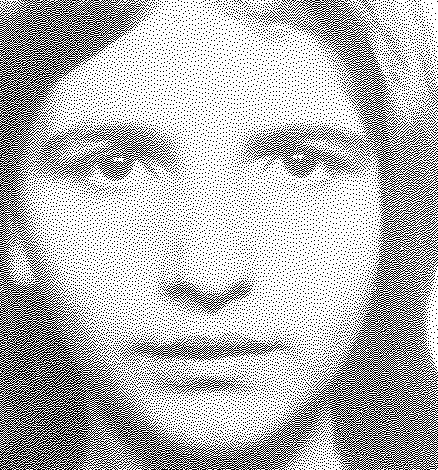
Doris Taylor was a 40-year-old Black woman whose life was violently cut short in the summer of 2001. Little is known publicly about her personal life, her family, or her work, but she was a resident of Dayton, Ohio, living in an apartment in the city’s Santa Clara neighborhood. For two decades, the search for the person responsible for her death has continued, leaving a painful and unanswered question for the community and law enforcement. Her case is a stark reminder of the devastating impact of unsolved violence.
On Tuesday, August 7, 2001, Doris was found deceased inside her residence at 14 E. Norman Avenue. When officers from the Dayton Police Department arrived at the scene, they discovered a brutal crime had taken place. The Montgomery County Coroner’s Office later determined that Doris had been stabbed multiple times, and her death was officially ruled a homicide. The quiet, residential street was transformed into a crime scene as investigators began the difficult work of piecing together her final hours.
The initial investigation uncovered a critical but perplexing clue: there were no signs of forced entry into Doris’s apartment. This detail suggested to authorities that Doris likely knew her attacker and may have let them into her home, or that the person responsible had a key. Detectives canvassed the neighborhood, speaking with neighbors, friends, and any known associates of Doris to establish a timeline and identify anyone who may have seen or heard something unusual. Despite these efforts, the investigation struggled to gain traction.
As weeks turned into months and then years, no suspects were publicly identified, and no arrests were made in connection with the murder. Doris Taylor’s case eventually went cold, joining a list of unsolved homicides that haunt the city and its police force. The Dayton Police Department has kept the case file open, hoping that a new witness, a new technology, or a pang of conscience might one day provide the breakthrough needed to move forward.
The case is now listed in the Ohio Attorney General's Unsolved Homicides database, a public-facing effort to generate new leads in long-stalled investigations across the state. This initiative ensures that victims like Doris are not forgotten and that their cases remain visible to the public. The database serves as a digital repository for cold cases, providing a summary of the crime and asking for anyone with information, no matter how insignificant it may seem, to come forward.
The year Doris Taylor was killed, the city of Dayton recorded 38 homicides. Each of these deaths left a permanent void in the lives of families and the fabric of the community. While many of those cases were solved, Doris’s remains one of the lingering injustices from that year, a puzzle that detectives are still determined to solve. The passage of time can often be an ally in cold cases, as relationships change and individuals who were once afraid to speak up may feel compelled to finally share what they know.
The Dayton Police Department and the Ohio Attorney General’s Office continue to seek information regarding the murder of Doris Taylor. Investigators believe that someone in the community holds the key to understanding what happened in her apartment on that August day in 2001. As of 2016, her case remained an active, albeit cold, investigation.
Authorities urge anyone with knowledge about the crime, the circumstances leading up to it, or the person or persons responsible to come forward. Those with information are encouraged to contact the Dayton Police Department. Providing a tip could be the crucial step in bringing a measure of justice to Doris Taylor and providing long-awaited answers to a community that has waited over two decades.