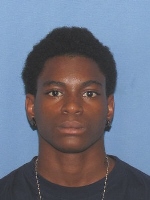
In the Avondale neighborhood of Cincinnati, youth baseball coach Vince Ward created a haven on the diamond for boys growing up amid shrinking opportunities and rising gun violence. He called his players his sons, and he remembered one of them, Anthony Buck, as "an all-around great athlete." Anthony, a 17-year-old Black male, was a talented former player for Ward's Avondale Indians, a team that had seen championship games and sent players to national tournaments. But like for too many of his teammates, the promise seen on the field could not protect him from the dangers on the street.
On Sunday, June 23, 2002, just five months before his eighteenth birthday, Anthony’s life was cut short by gunfire. The shooting happened at 3636 Vine Street in the Corryville neighborhood of Cincinnati. According to his former coach’s recollection years later, Anthony was sitting in a car when he was shot in the head. Emergency services responded, but nothing could be done to save him. He died that same day, becoming another young victim of the gun violence that plagued the city. In a given year in Cincinnati during that era, about 70% of homicide victims were African-American males, with nearly half being in their teens and twenties.
The Cincinnati Police Department opened a homicide investigation into Anthony’s death, but the case quickly grew cold. Publicly available information is scarce, leaving many questions unanswered. Authorities have not released details about a potential motive, such as whether the shooting stemmed from a robbery, an argument, or if it was a targeted act of retaliation. It is not known if there were any witnesses, if Anthony was alone, or if anyone else was injured in the attack. No description of a suspect or a vehicle has ever been released to the public.
The investigation remains with the Cincinnati Police Department, but with no arrests made or charges filed, the case has been officially classified as an unsolved homicide. It is now listed in Ohio’s cold case files, maintained by the Ohio Attorney General’s office under case number 1160. This database serves as a quiet testament to the lives lost and the justice that has yet to be found for victims and their families across the state. The file simply confirms that Anthony Buck was shot at the Vine Street address and died the same day.
Anthony’s death was part of a devastating wave of violence that swept away many of the young men Coach Ward had mentored. He was one of several former Avondale Indians players who died violently in the early 2000s, a string of tragedies that haunted their coach and community. These losses underscored the fragility of the peace Ward tried to build through sports, a constant battle against the pull of the streets and the ever-present threat of violence. The coach spoke of the pain of attending his players' funerals and the constant worry for their safety, a burden shared by many families in the community.
More than two decades have passed since Anthony Buck was killed, and his case remains frozen in time. No suspects have been publicly identified, no arrests have been announced, and no one has been held accountable for his murder. For his family and the coach who remembered his athletic talent, the lack of answers leaves a wound that cannot fully heal. The central questions of who shot Anthony and why his life ended so violently in a car on Vine Street remain unanswered. The case is open and active, awaiting the one piece of information that might finally bring a measure of justice. Anyone with information regarding the murder of Anthony Buck is encouraged to contact the Cincinnati Police Department.