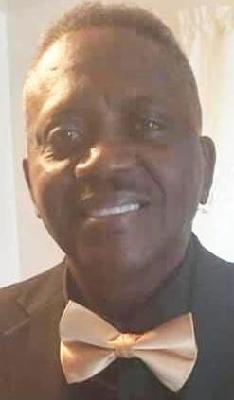
On a quiet Sunday evening in late spring, the life of Ronnie Lee, a 28-year-old Black man, was brought to a violent and sudden end in Cleveland, Ohio. The date was May 28, 2006, and what began as another day in the city’s Corlett neighborhood would end in a tragedy that remains unresolved two decades later. The little that is publicly known about Ronnie’s death has left a lingering question in the community and a cold case file on the desks of homicide detectives.
That evening, Ronnie was discovered inside his vehicle in the vicinity of 12700 Maple Avenue. He had been shot to death. The car, which had come to a stop on the residential street, was marked by multiple bullet holes, a clear indicator of the violence that had erupted. When officers from the Cleveland Police Department arrived at the scene, they found a grim tableau. Ronnie was deceased inside his car, having sustained fatal gunshot wounds. The motive for the shooting and the circumstances that led to it were not immediately clear.
Investigators began the painstaking work of piecing together the final moments of Ronnie’s life. Detectives from the homicide unit canvassed the area, searching for witnesses who might have seen or heard something that could lead to a suspect. The crime scene was processed for evidence, and investigators recovered shell casings near the vehicle, which were collected for forensic analysis. Bullet fragments were also gathered as part of the initial investigation. Authorities worked to build a timeline and understand what brought Ronnie to that particular block on Maple Avenue that night.
Despite the evidence collected from the scene and the efforts of law enforcement, the investigation into Ronnie Lee’s murder soon hit a wall. No suspects were publicly identified, and no arrests were ever made. The leads that detectives pursued grew cold, and the case eventually joined the ranks of the city's unsolved homicides. For years, Ronnie’s name and case number, 3226, have been listed in the cold case files of the Cleveland Police Department and the Ohio Attorney General's Office, a silent testament to a life cut short and a quest for justice that is not yet over.
The neighborhood where Ronnie was killed is on the East Side of Cleveland, a community that, like many urban areas, has contended with its share of violent crime. The lack of resolution in Ronnie's case leaves a void not only for his loved ones but for a community seeking closure and safety. Without new information, the path to justice for Ronnie Lee remains obstructed.
As of today, the murder of Ronnie Lee is still an open and active investigation. The Cleveland Police Department continues to seek any information that could breathe new life into the case. They urge anyone who may have knowledge about the shooting, no matter how insignificant it may seem, to come forward. The smallest detail could be the missing piece that investigators need to finally solve the crime and bring closure to a case that has remained cold for far too long.