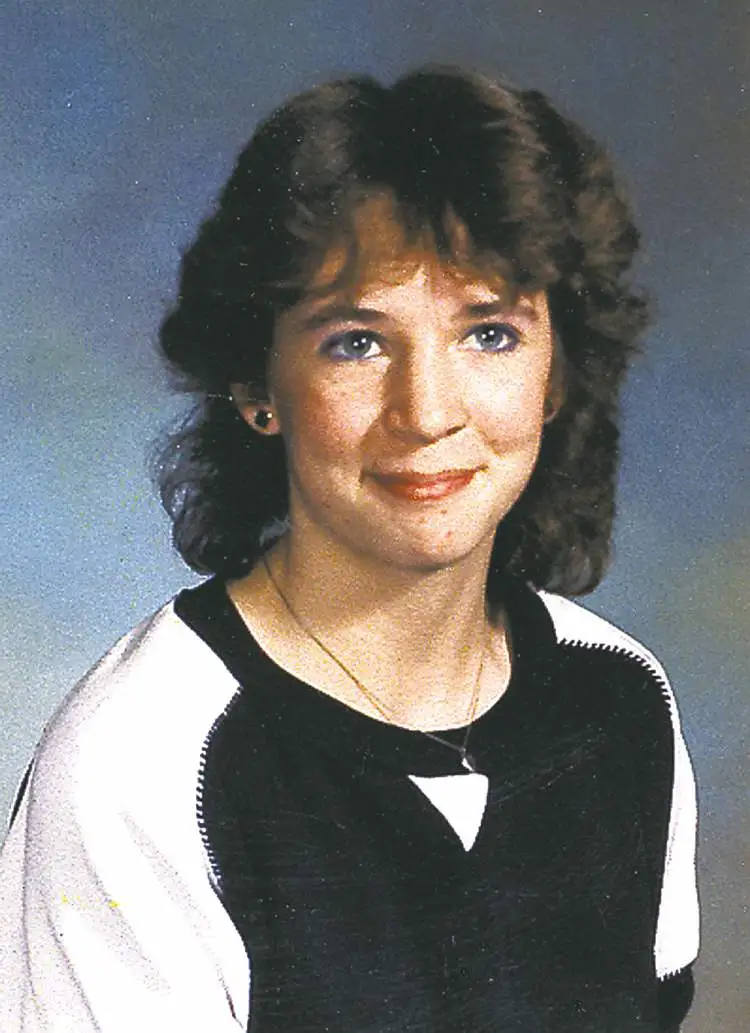
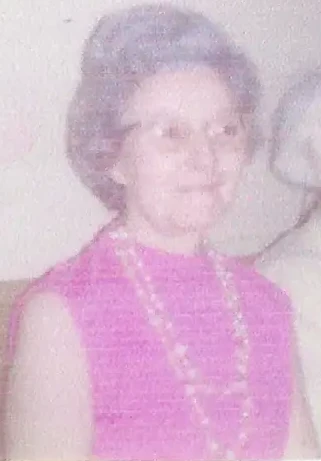
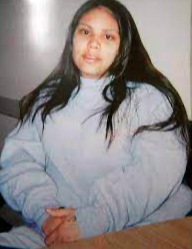
Barbara Stoppel was a bright, outgoing and popular 16-year-old girl with big dreams of becoming a famous actress. A Grade 10 student at Nelson McIntyre Collegiate in her hometown of Winnipeg, Manitoba, she excelled in her studies and was active in sports, playing on the girls' volleyball team and enjoying roller-skating. The youngest of three children, Barbara was the only one still living at home with her loving parents, Muriel and Fred Stoppel, in the Norwood Flats neighborhood. In December 1981, she was in love with a new boyfriend, Daryl, and was excitedly looking forward to him joining her family for Christmas Eve supper. To earn extra money, she had recently taken a part-time job as a waitress at the Ideal Donut shop on Goulet Street in St. Boniface, just a few minutes from her home.
The Christmas season of 1981 was shattered by an act of brutal violence. On the evening of Wednesday, December 23, Barbara was working her shift alone at the donut shop.
At approximately 8:46 p.m., police were dispatched to the location following a report of a robbery. When they arrived, they found Barbara unconscious in the women's washroom. She had been strangled with a length of green and yellow nylon twine, which was wrapped twice around her neck and tied tightly in knots. Paramedics rushed her to the nearby St. Boniface Hospital, but her injuries were too severe. After six days on life support, Barbara died on December 29, 1981.
The investigation into the female teenager's murder began immediately. Witnesses reported seeing a man in a cowboy hat leaving the donut shop's washroom shortly before Barbara was discovered. One witness claimed to have followed a man from the area and saw him throw something over the side of the Norwood Bridge. Investigators later recovered twine from the bridge that matched the rope used in the attack. The description of the man led police to arrest Thomas Sophonow, then 29, in March 1982. What followed was one of the most notorious wrongful convictions in Canadian history. Sophonow endured three separate trials; the first ended in a hung jury, but the next two resulted in convictions that were later overturned on appeal. He spent nearly four years in prison for a crime he did not commit.
After years of fighting to clear his name, Sophonow was finally and formally exonerated in June 2000. The Winnipeg Police Service issued a public apology, and the Manitoba government launched a full commission of inquiry into the case. The inquiry, headed by retired Supreme Court Justice Peter Cory, exposed systemic failures in the investigation and prosecution, from flawed eyewitness identification procedures to the use of unreliable jailhouse informants. Sophonow eventually received $2.6 million in compensation for the miscarriage of justice. The Stoppel family, who had spent two decades believing Sophonow was their daughter's killer, were left to face the devastating reality that the true perpetrator was never caught. "I spent so much time hating Tom and it was just such as waste of time and energy and rage, because in the end the guy was innocent," Barbara's brother, Rick Stoppel, later said.
During the reinvestigation that cleared Sophonow, another name emerged. A retired detective, Andrew Mikolajewski, who reviewed the case file in 1999, identified a different suspect who had not been properly pursued: Terry Arnold. Arnold died in Victoria, B.C., in 2005, reportedly leaving behind a note in which he maintained his innocence. Despite this lead, no charges were ever laid in connection with Arnold, and the case grew cold once more. The murder weapon, the twine, was traced to producers in either Portage la Prairie or British Columbia, but this did not lead to a definitive suspect.
Decades have passed, but Barbara Stoppel’s murder remains an open file. As of May 2022, the Winnipeg Police Service confirmed that the case is among the historical homicides that did not result in a conviction and is still under review by the department's historical homicide unit. The family's tragedy was compounded by the years of legal proceedings and the knowledge that the wrong man was imprisoned while the real killer remained free. The case stands as a painful reminder of a bright young life cut short and a justice system that failed both the victim's family and an innocent man. The investigation continues.