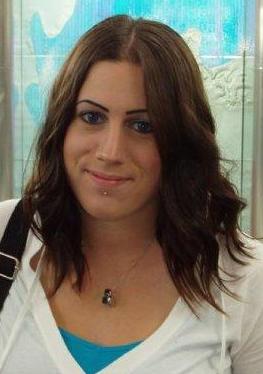
Audrey Frasier, a 26-year-old mother, was building a life for herself and her young son in Vancouver, Washington. Also known by the name Audrey Hoellein, she lived with her five-year-old boy at the Family Tree Apartments. Her life was cut short in the summer of 1994, leaving her family with decades of unanswered questions and a wound that has been reopened time and again. In a statement released years later, her family remembered the profound loss, explaining that the crime not only took a sister from her two brothers but also left a mother and father without their daughter and a young child to grow up without his mother.
On the morning of July 17, 1994, Audrey was found dead in her apartment. A neighbor placed the 911 call that brought police to the scene, where they discovered she had been strangled to death in her bed. Investigators with the Vancouver Police Department collected evidence from the apartment, including DNA, but it did not match any of the initial suspects.
For years, detectives compared the DNA profile to persons of interest and submitted it to the national CODIS database, but no matches were found. The case grew cold, and for nearly a quarter of a century, the identity of the person responsible for Audrey's death remained a mystery.
The investigation gained new life nearly 25 years later through the use of investigative genetic genealogy. In 2018, detectives enlisted a Virginia-based company that used the crime scene DNA to build a genetic profile and search public genealogy databases. This cutting-edge technique pointed them toward a possible suspect: Richard Eugene Knapp, a man who had lived in the area at the time of the murder. Investigators began surveilling Knapp and eventually collected a discarded cigarette butt. The DNA from the cigarette was a match to the profile from the 1994 crime scene.
In April 2019, Richard Knapp, then 57, was arrested near his home in Fairview, Oregon, and charged with murder with sexual motivation. Court documents revealed that Knapp had a 1986 conviction for third-degree rape in Clark County, a case in which he had also strangled the victim. He had been court-ordered to provide a biological sample at that time, but it was never uploaded to any DNA database and the evidence from that case was destroyed in 2000, years before a change in state law would have required it to be preserved and submitted. The arrest seemed to be the long-awaited breakthrough, offering the prospect of justice for Audrey’s family.
Knapp spent nearly three years in jail awaiting trial. Then, in a stunning development just five days before the trial was set to begin in December 2022, the Clark County Prosecuting Attorney’s Office dismissed all charges against him. Prosecutors admitted that new evidence had come to light that cast significant doubt on their case. Knapp's defense team announced that a key person in the case, the same neighbor who had reported Audrey's death in 1994, had changed his story during a recent deposition. He admitted under oath to having sexual contact with Audrey on the night she was killed. Further testing confirmed the neighbor's DNA was present on her bedspread.
The defense also located an eyewitness who was living in Georgia, a person law enforcement had been aware of but had never interviewed during the original investigation. The combination of the neighbor’s new testimony and the un-interviewed witness led prosecutors to conclude they could no longer prove the case against Knapp beyond a reasonable doubt. A prosecutor acknowledged the difficult decision, stating, "We know that we either released a killer from jail or we released an innocent person who was wrongly held for three years."
As of February 2026, Audrey Frasier's murder remains unsolved. No one has been convicted for her death, and no other suspects have been charged since the case against Knapp was dismissed. Richard Knapp has since filed a lawsuit against the city of Vancouver for malicious prosecution. For Audrey’s loved ones, the path to closure has been fraught with false starts and devastating setbacks, and justice for the young mother remains elusive.