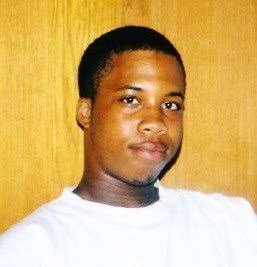
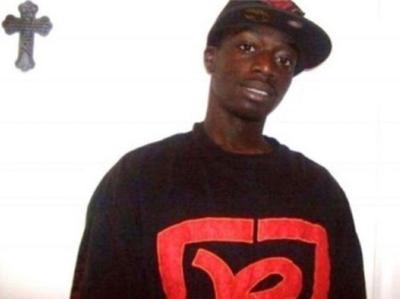
On a Wednesday evening in Toronto, 17-year-old Jamal Hemmings was getting into a vehicle in a parking lot near Marlee and Eglinton Avenues when his life was cut short. It was November 9, 2005, and in an act of sudden violence, the teenager was shot and killed. His best friend, 18-year-old Amon Beckles, was with him and witnessed the fatal attack. The murder of Jamal, a male youth with his future ahead of him, marked another grim entry in a year that would become known in the city as the "Year of the Gun."
The profound tragedy of Jamal's death was horrifically compounded just nine days later. On November 18, 2005, hundreds of mourners gathered at the West Toronto Seventh-day Adventist Church near Finch Avenue and Albion Road to say their final goodbyes. As the service for Jamal was underway, Amon Beckles, who had been living in fear since witnessing his friend's murder, stepped outside the church to have a cigarette.
In a brazen and shocking ambush, assailants who had reportedly been inside the church followed him out and shot him. Beckles died on the church steps while his friend's funeral continued inside, the sounds of gunfire interrupting the pastor's eulogy.
The back-to-back killings sent a wave of shock and fear through the community and left two families devastated. Investigators with the Toronto Police Service, who designated Jamal's case as Homicide #66/2005, quickly stated their belief that the two murders were connected and that the same perpetrators were likely responsible for both. Despite the public nature of Beckles's murder, which occurred in front of a church filled with more than 300 people, the investigation was hampered by what police described as a "wall of silence." Many potential witnesses were reluctant to come forward, possibly out of fear of retaliation. Police noted that Beckles himself had not been forthcoming with information about Jamal's shooting in the days before his own death.
Jamal and Amon were not believed to be gang members themselves, but they reportedly had friends associated with a small, west-end gang. In the wake of the killings, Amon's family had urged him not to attend the funeral for his own safety and had even made plans to get him out of the country. His pastor, Rev. Al Bowen, later speculated that Amon either attended out of an overwhelming sense of loyalty to his friend or had been lured there.
The murders became a flashpoint for discussions about youth violence, gun crime, and the complex social issues facing some Toronto communities. Religious leaders and politicians spoke out, calling for more opportunities for Black youth to combat the pull of gangs. At Amon's funeral, which was guarded by a heavy police presence, his grandmother, Angela Beckles, urged mourners to focus on the love her grandson brought to others during his 18 years. She led them in clapping and dancing, remembering a young man who "wouldn't want anyone to sit and cry."
Years have passed, but the brazen killings of Jamal Hemmings and Amon Beckles remain a haunting chapter in Toronto's history. The cases were a stark illustration of the violence that plagued the city in 2005. As of September 2021, both homicides remain open and unsolved cold cases within the Toronto Police Service. No arrests have ever been made, and the killers who shattered two families and a community by murdering two best friends have never been brought to justice. The path to answers for the families of Jamal and Amon remains unclear, their profound loss echoing in the silence that followed the gunshots.