In the early spring of 1971, Boston was a city of stark contrasts, grappling with social upheaval and urban change. While neighborhoods held fast to their distinct identities, the city was navigating a period of tension, most notably the court-ordered desegregation of its public schools that would soon lead to widespread unrest. It was against this complex backdrop that a young woman’s life was cut short, her case becoming one of the city's many unsolved tragedies from that era.
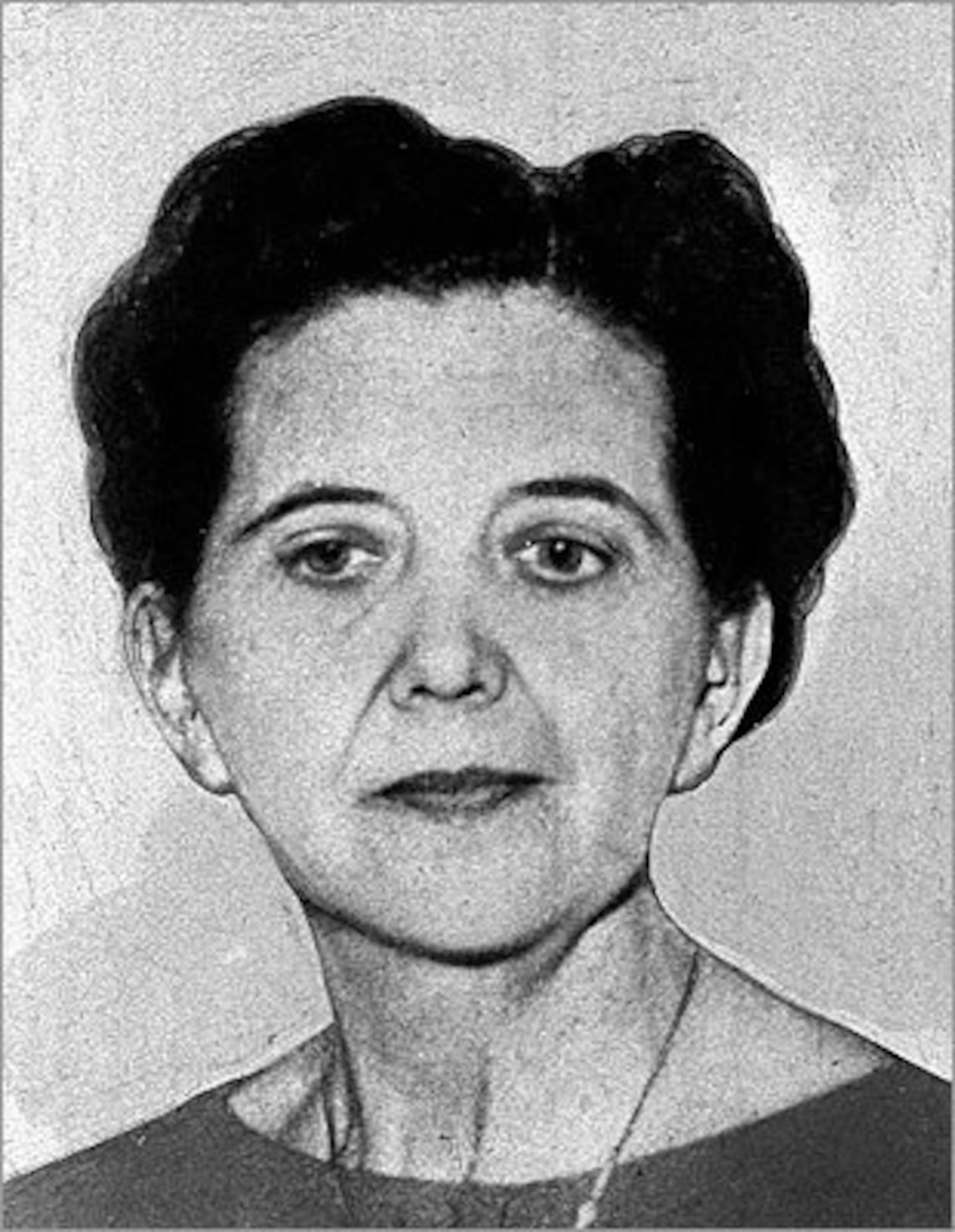
Karen Knapp, a 22-year-old female, was found deceased on Monday, March 22, 1971. Police were called to Apartment 4 at 382 Riverway, a brick condominium building in a part of the city known for its scenic parkways. The building, constructed in 1920, sits directly across from the lush green space of Olmsted Park and the Riverway, a section of the city’s famed Emerald Necklace.
This network of parks, designed by the renowned landscape architect Frederick Law Olmsted, was intended to be a tranquil, pastoral escape from the urban environment, a place where the Muddy River was sculpted into a scenic corridor. On that March day, however, the tranquility was broken by a grim discovery.
Officers from the Boston Police Department arrived at the apartment to find Karen’s body. She was pronounced deceased at the scene. The case was soon turned over to homicide detectives, and the Office of the Chief Medical Examiner was tasked with determining the cause of her death. Their conclusion was unequivocal: Karen Knapp was the victim of a homicide. The specific details of her injuries or the state of the apartment have not been publicly released by investigators.
The investigation into Karen’s murder was launched by the Boston Police Department’s Homicide Unit. In the early 1970s, the department was contending with significant crime across the city. Detectives would have canvassed the neighborhood, interviewing residents of the 50-unit condominium complex and others in the area, which straddles the Fenway and Mission Hill neighborhoods. They would have meticulously processed the scene in Apartment 4, searching for any clue—a fingerprint, a weapon, a sign of forced entry, or a personal item out of place—that might point toward a suspect. Despite their efforts, the initial investigation did not lead to an arrest, and as days turned into weeks, Karen’s case grew cold.
Decades have passed, but little public information has ever emerged about Karen Knapp’s life. Details about her family, her work or studies, her interests, or why she was living in the apartment on the Riverway remain locked away in case files or lost to time. No newspaper articles from the period detailing the crime or her background have been found, and no family members have ever come forward publicly to share their memories of her or to plead for information. Her story is known only through the stark, official entry on a list of the city's unsolved killings.
As of October 2025, Karen Knapp’s murder remains an open and unsolved investigation with the Boston Police Department. Her case is listed on the department's Unsolved Homicides website, a modern effort to generate new leads in decades-old cases by leveraging community help and new forensic technologies. The Boston Police Homicide Unit urges anyone with information, no matter how insignificant it may seem, to come forward. Anyone with information is encouraged to contact the Boston Police Homicide Unit at 617-343-4470 or to share a tip anonymously through the Crime Stoppers Hotline at 1-800-494-TIPS.