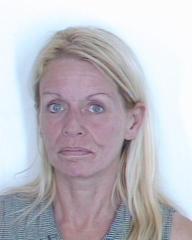
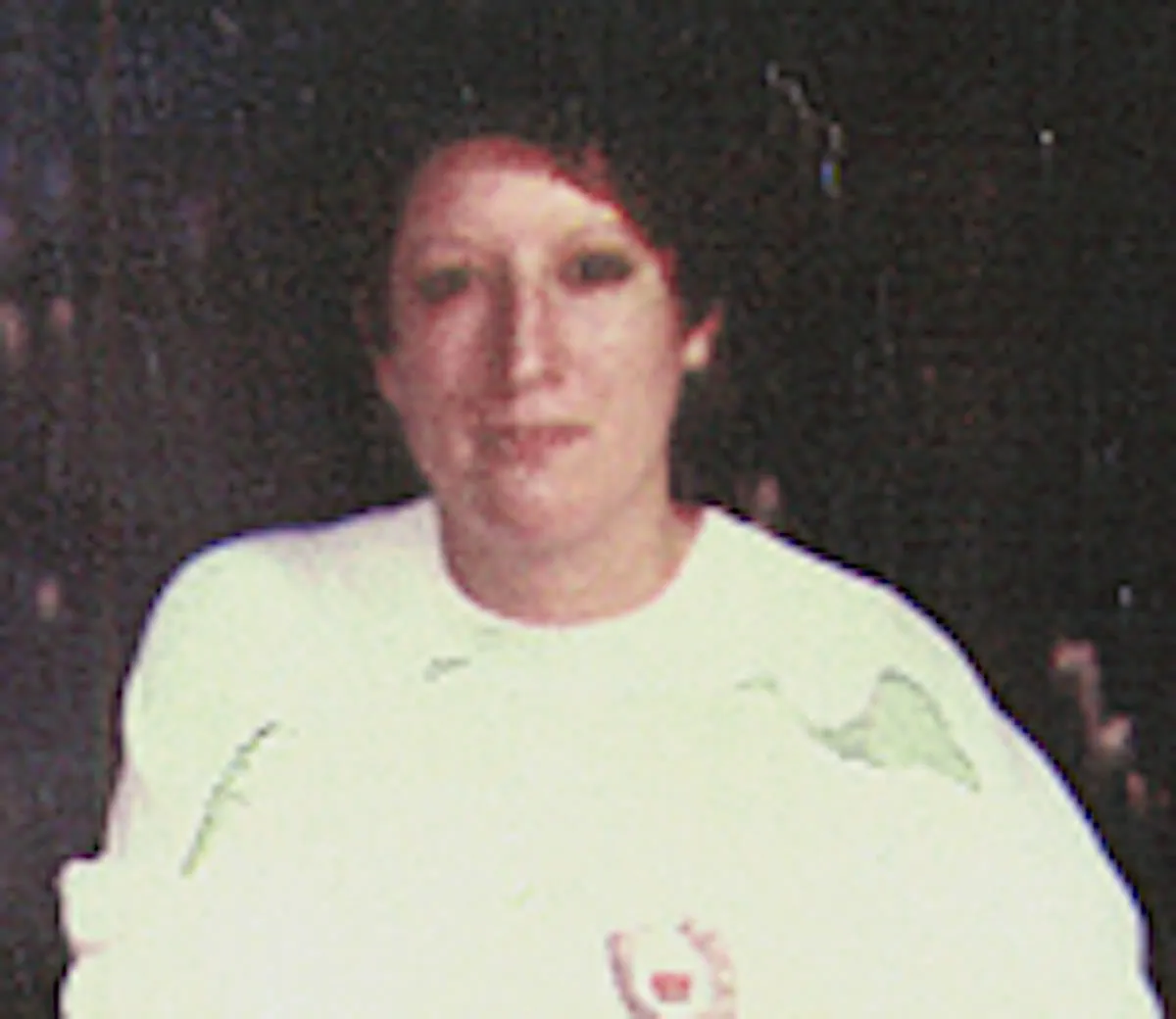
Lynda Anne Comeau was a 63-year-old woman who lived a quiet life with her dog in the small community of Weymouth North, Nova Scotia. Her home was on Fort Point Road, a rural stretch in a part of the province known for its coastal scenery and tight-knit communities. She lived by herself, and her companionship with her pet was a familiar detail of her life to those who knew her. Her sudden and violent death in the late summer of 2016 shattered the peace of her neighborhood and left her loved ones with unanswered questions that persist to this day.
On the afternoon of Thursday, September 1, 2016, the Digby detachment of the Royal Canadian Mounted Police (RCMP) received a call for assistance and responded to Lynda’s residence. Shortly after 3:00 p.m., officers arrived at the Fort Point Road house and made a devastating discovery. Inside, they found Lynda Comeau deceased. The circumstances immediately appeared suspicious, prompting a full-scale investigation.
An autopsy was performed by the Nova Scotia Medical Examiner, which confirmed the worst fears: Lynda’s death was the result of an injury, and her case was officially ruled a homicide.
The investigation was led by the RCMP SouthWest Nova Major Crime Unit, with support from the Forensic Identification Unit and the RCMP Police Dog Service. Investigators worked to determine whether Lynda was the victim of a random act or a targeted attack, a question that caused significant concern in the local community. Police did not release the specific cause of death or details about the injury she sustained. They made a public appeal for information, asking anyone who might have been in the Fort Point Road area between 8:00 p.m. on Wednesday, August 31, and 3:00 p.m. on Thursday, September 1, to come forward, no matter how insignificant their observation might have seemed.
As the investigation continued without an arrest, authorities sought new ways to generate leads. In June 2017, nearly a year after her death, Lynda Comeau’s case was added to the Nova Scotia Rewards for Major Unsolved Crimes Program. The program offers a substantial financial incentive for information that leads to the arrest and conviction of those responsible for complex and unresolved cases. Justice Minister Mark Furey, a former police officer, commented on the addition, stating, "Any loss of life is extremely difficult for families, and they want answers and closure... I know how important it is that you speak with police and share what information you may have about this crime."
Police have consistently stated their belief that there are people who hold key information that could solve the case. "We want to continue to investigate Lynda’s death," said Sgt. Bill Raaymakers of the RCMP SouthWest Nova Major Crime Unit in 2017. "We hope that by adding this case to the rewards program, it will encourage someone to do the right thing and come forward with information, no piece of information is too small." This sentiment underscores the crucial role the public can play in bringing resolution to a case that has grown cold.
Years have passed, but Lynda’s murder remains an open and active investigation. Her name is listed among the dozens of other unsolved homicides and missing persons cases in Nova Scotia, a somber reminder of a life taken too soon and a family still waiting for justice. No arrests have ever been made, and authorities have not publicly identified any suspects.
As of November 2024, the case remains unsolved. The Government of the Province of Nova Scotia continues to offer a reward of up to $150,000 for information that leads to the arrest and conviction of the person or persons responsible for the homicide of Lynda Anne Comeau. Police urge anyone with information to call the Rewards for Major Unsolved Crimes Program toll-free at 1-888-710-9090. Callers must provide their name and contact information and may be required to testify in court.