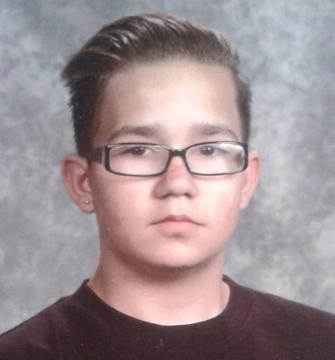
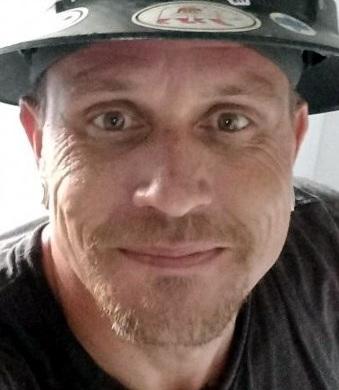
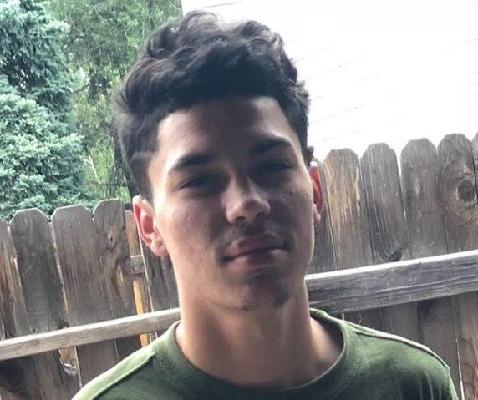
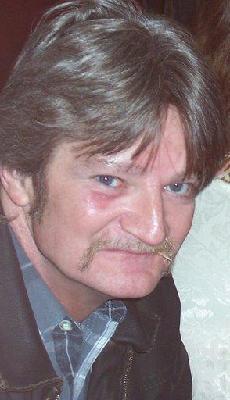
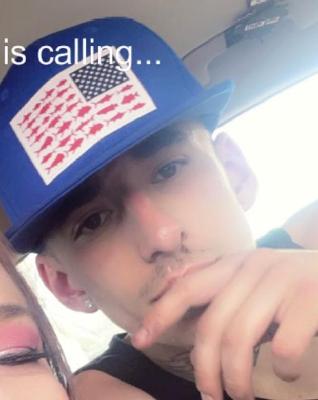
Ricky Arthur Espinoza was a man with a flair for style who had recently found his calling. At 37 years old, the Colorado Springs resident had just graduated from cosmetology school. His sister, Jacquelyn, remembered him as being blessed with good looks, always a sharp dresser with fashionable hair—a great cosmetologist. His mother, Doris, recalled how her youngest son, her "baby," used to cut her hair. Ricky, a White male, had lived in Denver for several years before moving back home. He was close with his family, who would spend the next two decades fighting for answers after his life was brutally cut short.
The last day of Ricky's life began with a celebration. On Saturday, June 23, 2001, he attended a wedding. He became intoxicated, and family members took him home around 1:00 a.m. on Sunday, June 24. But he didn't stay home. He was seen a short time later walking near the intersection of South Nevada Avenue and East Las Vegas Street in Colorado Springs.
At approximately 4:30 a.m., Ricky placed a phone call to a family member from the J's Motel, located at 820 N. Nevada Avenue. It was the last time anyone is known to have heard from him. When last seen, he was reportedly wearing a black or grey dress shirt, black pants, and black shoes.
Four days later, on the afternoon of June 28, 2001, a worker at a landfill at 10000 Squirrel Creek Road in Fountain, Colorado, discovered a body. The remains were so decomposed and badly damaged that identification had to be made using fingerprints and dental records. It was Ricky Espinoza. His body was unclothed and had sustained numerous broken bones and other severe injuries.
The El Paso County Sheriff's Office launched a homicide investigation. The coroner was unable to determine a specific cause of death due to the extensive post-mortem trauma the body had suffered, likely caused by the machinery in a trash truck and at the landfill. However, because Ricky was found nude and had likely been discarded in a dumpster, the manner of death was officially ruled a homicide. Investigators at the time told the family they were unable to get DNA samples, but his sister Jacquelyn later stated this was untrue and that a rape kit had been collected. The location where Ricky was killed has never been found; investigators only have the dump site.
For years, Ricky's family has felt that his case was not taken as seriously as it should have been because he was a gay man. His sister recalled that news coverage at the time was demoralizing and tore the family apart. Over the years, they have continued to advocate for him, attending vigils and rallies for victims of unsolved homicides to keep his memory alive and pressure authorities to find his killer. At a 2011 vigil, his mother Doris explained her presence simply: she wanted to see the killers caught because "they could be doing it to somebody else."
As of March 2025, the investigation into Ricky Espinoza's murder remains open and is listed as an active cold case with the El Paso County Sheriff's Office. After years of pressure from the Espinoza family and an activist, the Sheriff's Office reportedly agreed to have the Colorado Bureau of Investigation re-examine and retest DNA evidence from the case using modern techniques that were unavailable in 2001. Forensic experts believe that even after more than two decades, viable DNA might still be recovered, offering a new chance to identify who was with Ricky in his final hours.
The case remains unsolved, leaving his loved ones without answers. Anyone with information regarding the death of Ricky Espinoza is asked to contact the El Paso County Sheriff's Office.