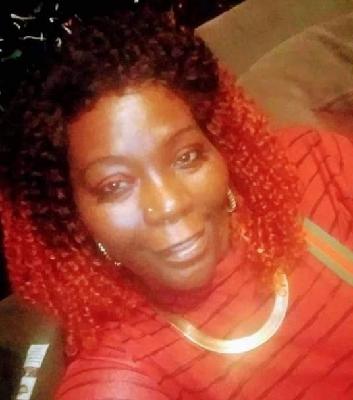
In the fall of 1984, nineteen-year-old Percilla Bowers was embarking on a new chapter in her life. Having recently moved from Oklahoma, she settled in the small city of Fountain, Colorado, just south of Colorado Springs, taking up residence at 122 E. Ohio Street. Known by her maiden name, Badial, Percilla was, like many young people, piecing together the parts of a new future. The front range of the Rocky Mountains offered a dramatic backdrop for her new start, a region that was growing rapidly and attracting people from all over the country.
Sometime in September of that year, Percilla was seen for the last time by her family. She was hitchhiking along U.S. Highway 85/87, a major north-south artery that runs through Colorado Springs. It was a common way for people to get around at the time, especially for those without a vehicle. Her plans for the day seemed to reflect her ambitions.
She may have been heading to the nearby Fort Carson Army base to work out, and she also possibly had a job interview scheduled at a local venue called PT's Nightclub in Colorado Springs. Carrying a small bag with her gym clothes, she was ready for the day ahead.
For nearly a year, Percilla’s whereabouts remained a mystery. Her family was left to wonder what had become of the young woman who had just begun to build a life in Colorado. The seasons changed, but there was no word, no sign of Percilla. The hope that she might one day return faded with each passing month, replaced by a growing sense of dread. The vibrant, growing community of Colorado Springs held a dark secret, one that would not be revealed until the following summer.
On August 12, 1985, that secret was unearthed. In a field off Pine Oaks Road in Colorado Springs, human remains were discovered in a shallow grave. Investigators from the El Paso County Sheriff's Office responded to the scene and soon identified the victim as the missing young woman, Percilla Bowers. She was found wearing the clothes she had on when she disappeared: a white jacket, a purple shirt, and blue jeans. Several pieces of her jewelry were also recovered with her remains. An autopsy later confirmed the violent end to her life. The coroner determined that Percilla had died from blunt force trauma to the head, and her death was officially classified as a homicide.
The investigation into who killed Percilla Bowers has now spanned decades, handled by the El Paso County Sheriff's Office. Despite the evidence collected at the scene—the clothing, the jewelry, the specifics of her last known movements—her killer has never been identified. The case grew cold, one of many unsolved homicides from that era that still haunt local law enforcement and the families left behind. Hitchhiking, a once-common practice, was becoming increasingly recognized for its dangers, and Percilla's story became a tragic example of the potential for violence at the hands of a stranger.
As of today, the murder of Percilla Bowers remains an active cold case with the El Paso County Sheriff's Office. Her file is periodically reviewed, waiting for the one piece of new information—a DNA breakthrough, a long-held secret finally shared, a memory sparked—that could lead to an arrest. For decades, there has been no justice for the young woman who moved to Colorado with dreams of a fresh start, only to have her life brutally taken from her. Anyone with information regarding the disappearance and murder of Percilla Bowers is asked to contact the El Paso County Sheriff's Office.